How to use the raw materials of a place to create furniture and textile works
Institution: Lycée Toulouse-Lautrec – Bordeaux, France
Presentation of Space Planning
Environmental and Educational Issues
To immerse students in a comprehensive process combining analysis, design, and implementation, while prioritizing the use of reclaimed, recycled, or sustainably sourced materials. This choice is not merely technical; it represents a strong pedagogical and symbolic act aimed at instilling the principles of the circular economy and eco-design. The partnership between Darwin and Toulouse Lautrec High School, strengthened through PFMP internships, fosters an authentic exchange between the academic and professional worlds, enabling students to showcase their skills while confronting real-world challenges in spatial design and visual communication.
These projects also place disability awareness at the core of their approach, conceived not as a secondary component but as a structuring element. The sensory exhibition designed for the Mériadeck Library – Diderot Center – seeks to offer audiences an inclusive, pluralistic, and accessible experience. Through the use of reusable supports, sustainable materials, and a variety of sensory devices, the aim is to provide mediation that respects the diversity of audiences and pays close attention to sensory experience.
These space development projects reflect a strong commitment to fostering professional practices rooted in contemporary challenges: ecological transition, inclusion, accessibility, and cultural creation. Through the design of an eco-friendly coworking space and the creation of a sensory scenography intended to be presented during the school open days, these projects aim to combine educational rigor, civic engagement, and creative innovation.
Definition
These space development projects reflect a strong commitment to fostering professional practices rooted in contemporary challenges: ecological transition, inclusion, accessibility, and cultural creation. Through the design of an eco-friendly coworking space and the creation of a sensory scenography intended to be presented during the school open days, these projects aim to combine educational rigor, civic engagement, and creative innovation.
Environmental and Educational Issues
To immerse students in a comprehensive process combining analysis, design, and implementation, while prioritizing the use of reclaimed, recycled, or sustainably sourced materials. This choice is not merely technical; it represents a strong pedagogical and symbolic act aimed at instilling the principles of the circular economy and eco-design. The partnership between Darwin and Toulouse Lautrec High School, strengthened through PFMP internships, fosters an authentic exchange between the academic and professional worlds, enabling students to showcase their skills while confronting real-world challenges in spatial design and visual communication.
These projects also place disability awareness at the core of their approach, conceived not as a secondary component but as a structuring element. The sensory exhibition designed for the Mériadeck Library – Diderot Center – seeks to offer audiences an inclusive, pluralistic, and accessible experience. Through the use of reusable supports, sustainable materials, and a variety of sensory devices, the aim is to provide mediation that respects the diversity of audiences and pays close attention to sensory experience.
Skills worked
Development
Downloadable educational sheets
Awareness
Downloadable educational sheets
Valorization
Downloadable educational sheets
Rienforcement
Downloadable educational sheets
Acquisition of cross-functional skills and exposure to the professional and nonprofit/associative world
Our Projects
Please Touch – Towards an Inclusive and Eco-Responsible Approach
Context
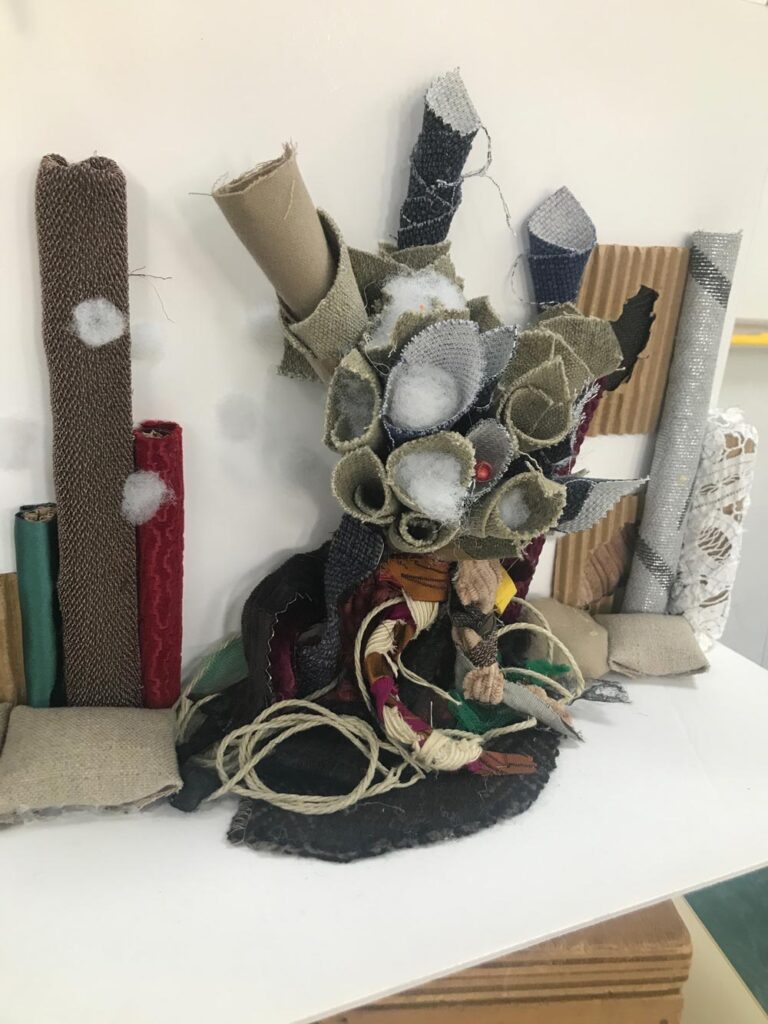
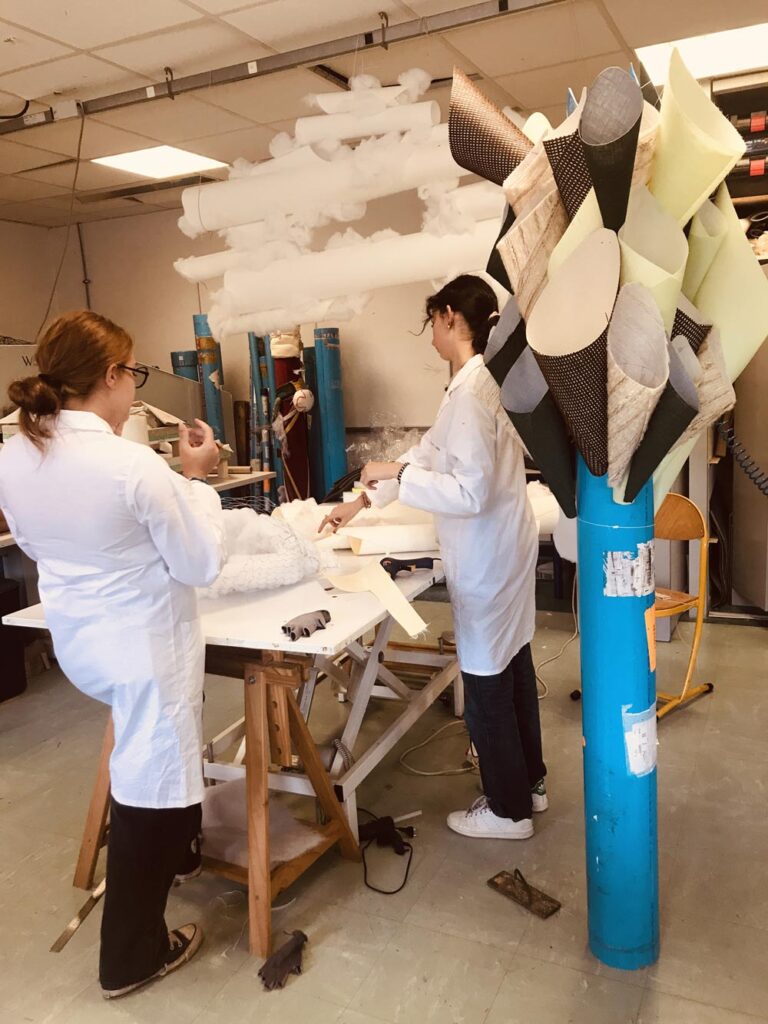
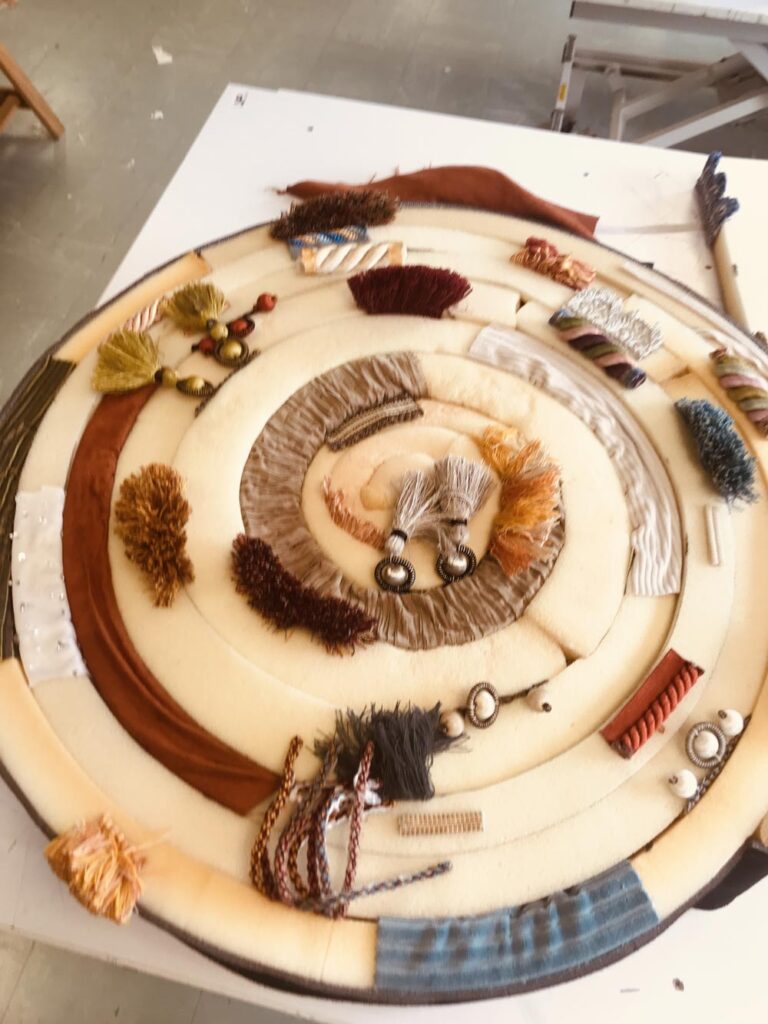
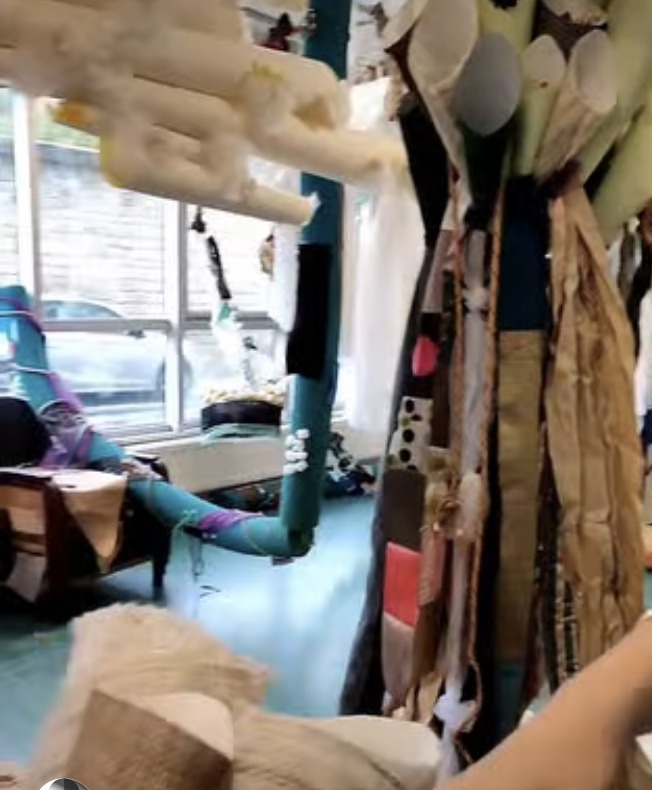
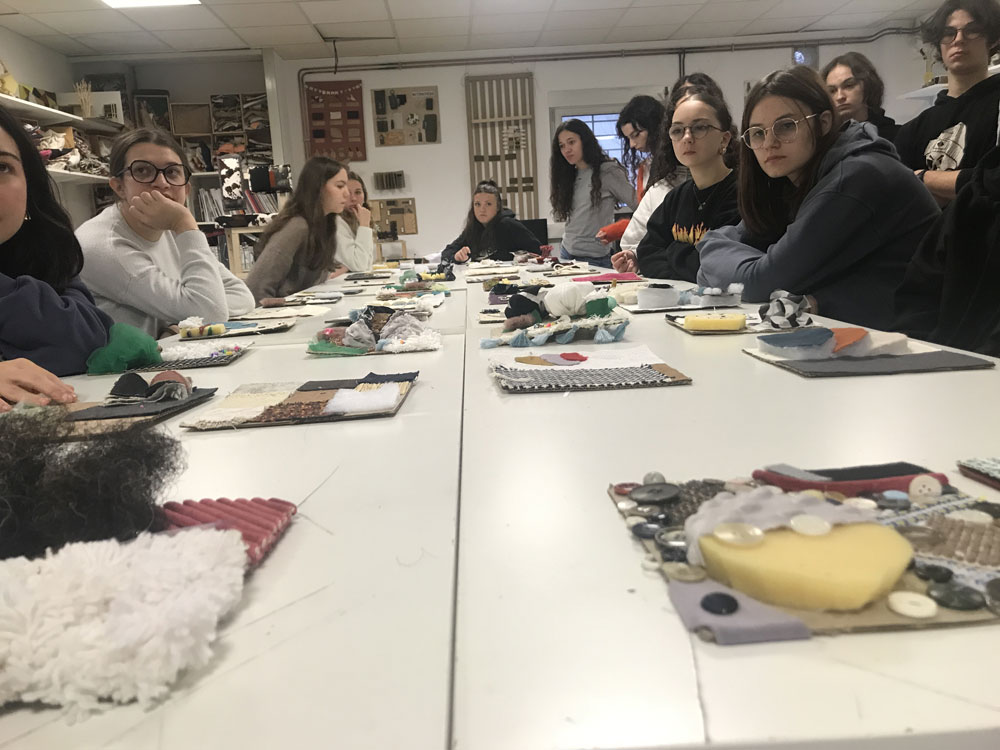
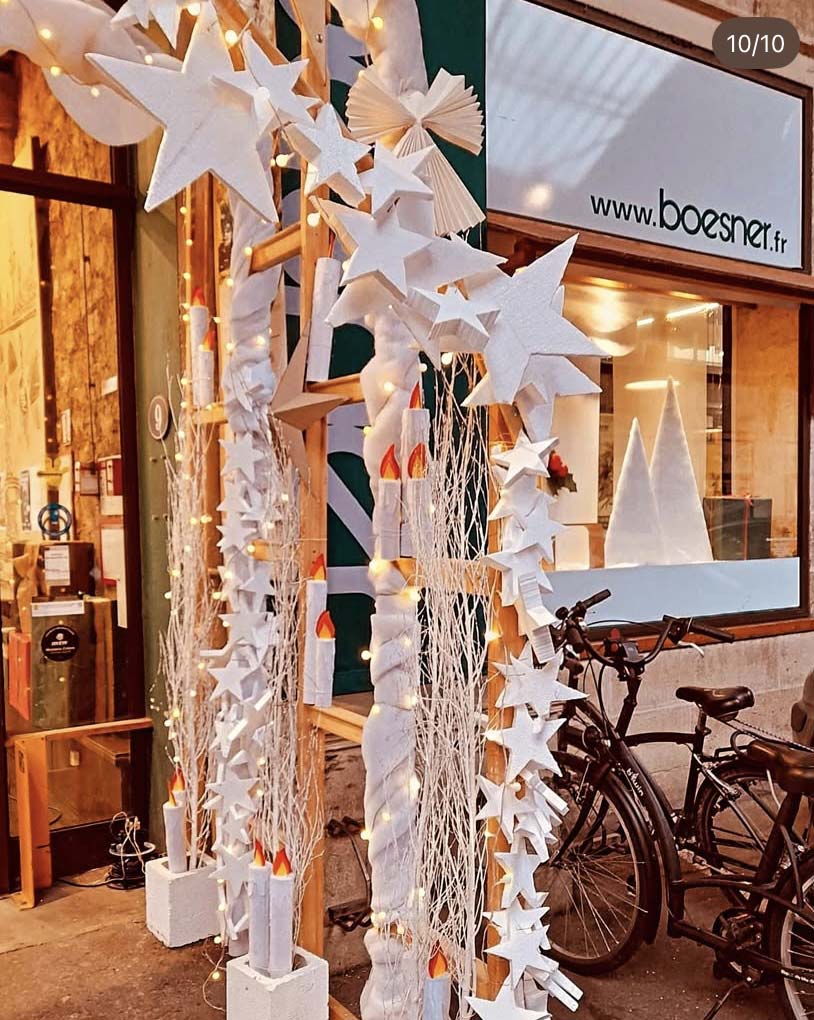
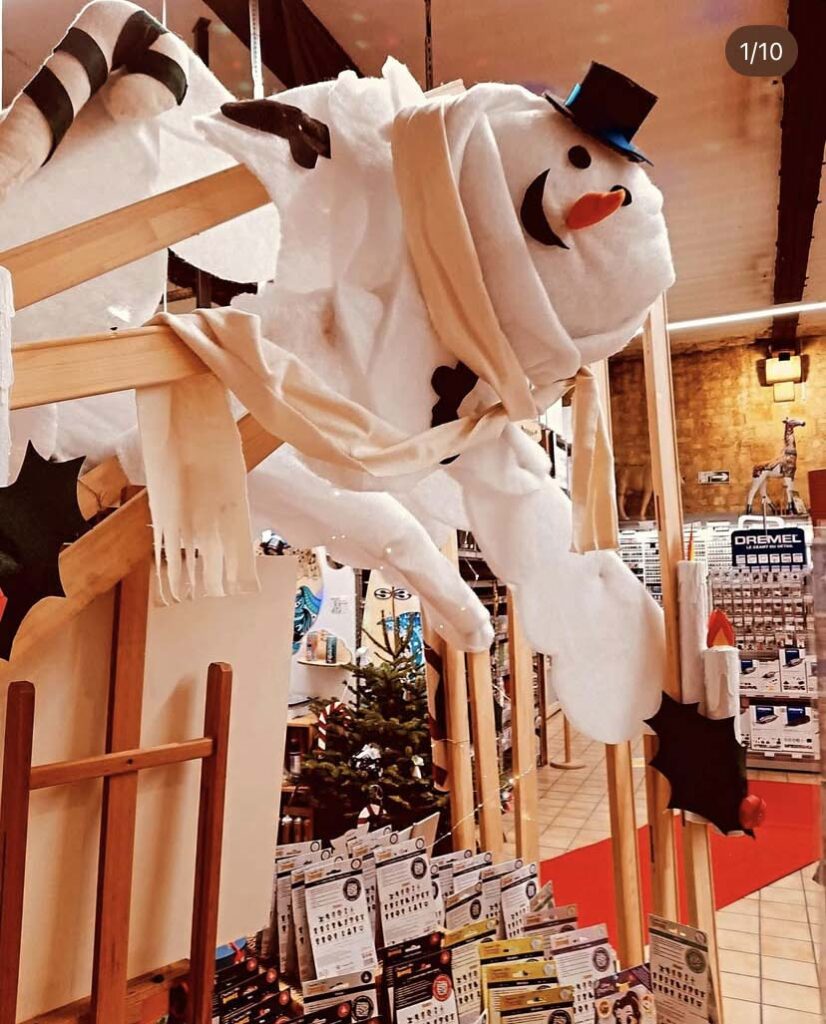
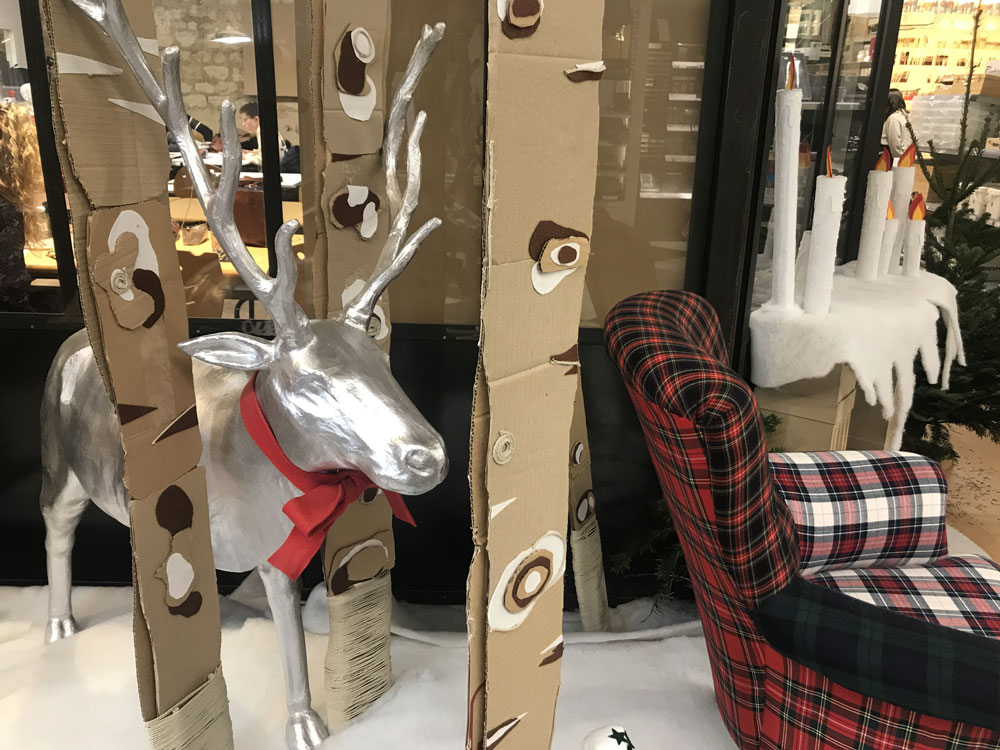
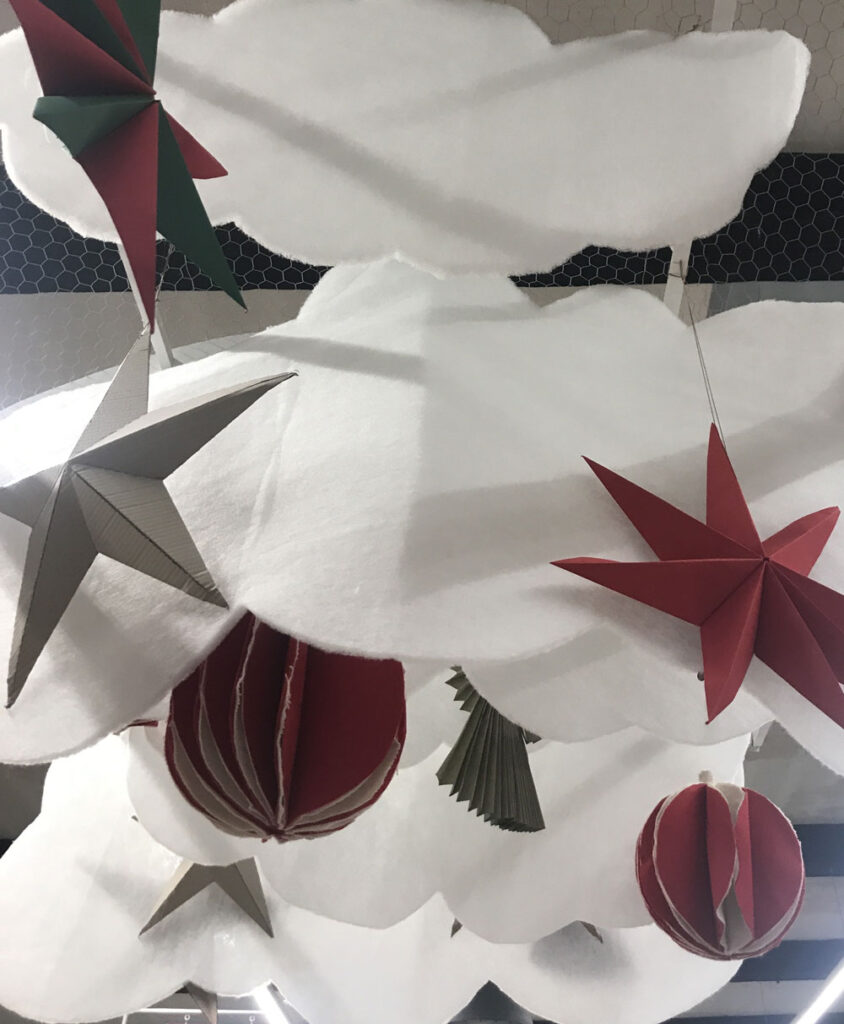
The project “At hand – Towards an Inclusive and Eco-Responsible Approach” aligns with the pillars of Artistic and Cultural Education (ACE), emphasizing an eco-friendly and inclusive approach. As part of the school’s Open Days, the students from the Upholstery section designed an immersive sensory textile exhibition, conceived as a journey through a forest. The materials used came exclusively from the school’s workshops, promoting reuse and waste reduction.
Partner
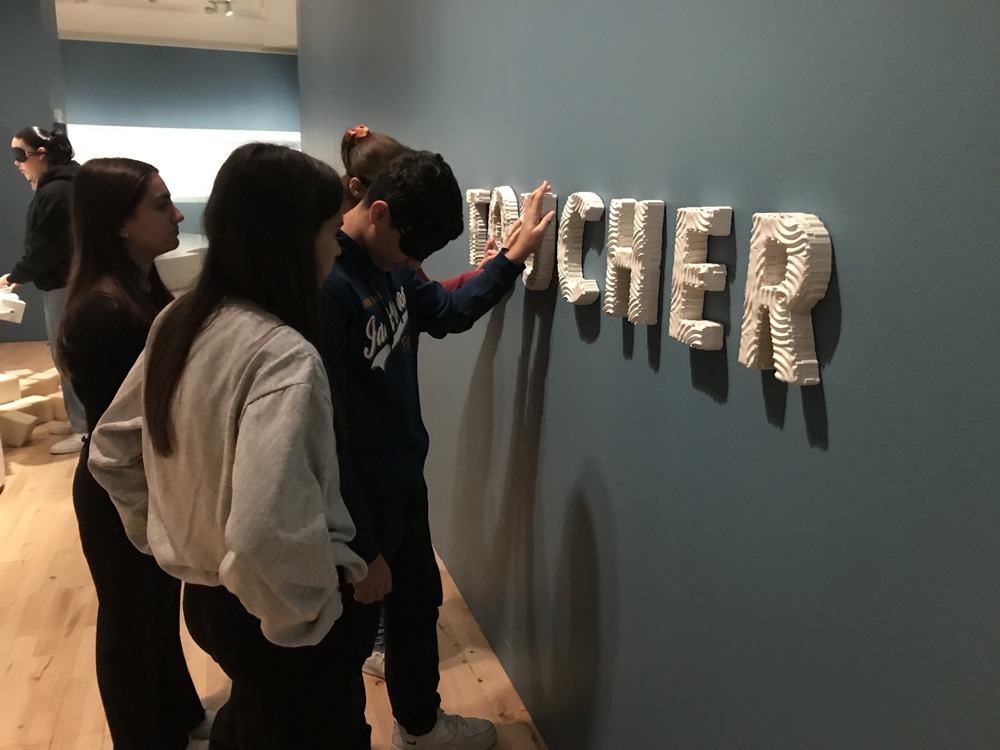
A partnership has been established with the Diderot sector of the Bordeaux media library, which specializes in supporting people with visual impairments. This partnership has enabled the integration of inclusive practices such as raising awareness of Braille and guiding visitors within the exhibition.
Objectives
Raise awareness among students and the public about disabilities, highlighting inclusion and diversity.
Design an immersive exhibition using recycled or bio-based materials, following an eco-design approach.
Experiment with reversed practices, prioritizing the sense of touch over traditional aesthetic research.
Develop investigative skills: responsibly collecting, sorting, and classifying information (limiting printing, using digital tools wisely).
Establish connections between different creative fields, integrating the principles of the circular economy.
Propose coherent and sustainable solutions to given problems, applying previously learned concepts within a sustainability framework.
Results
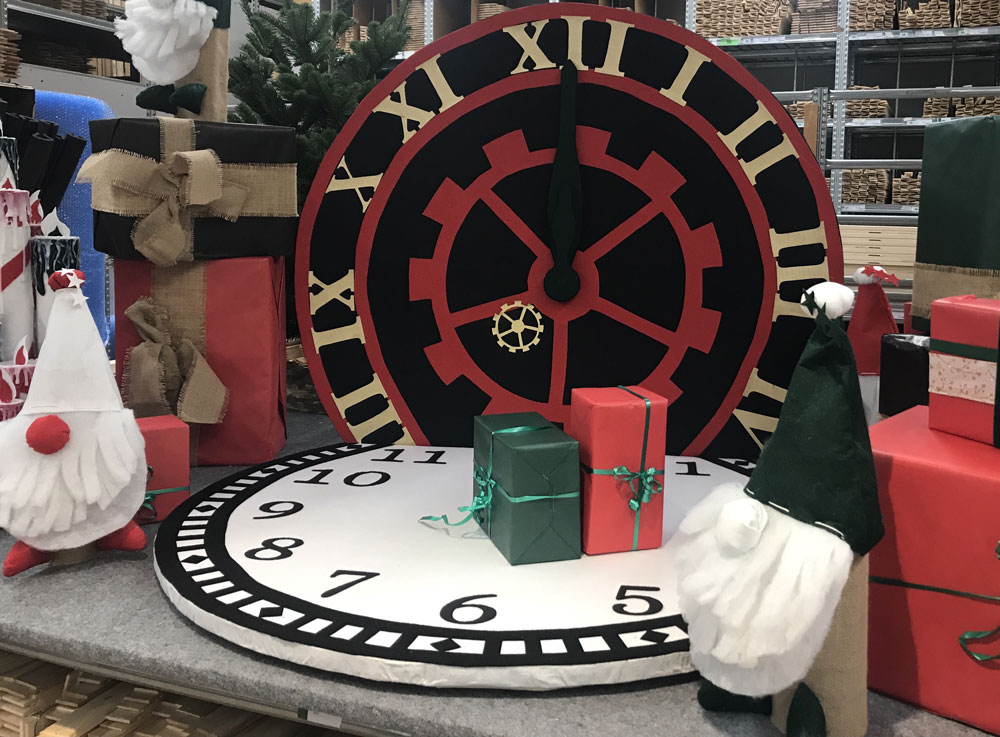
Creation of a sensory artwork: immersive textile exhibition, built solely from recycled materials, highlighting touch as a narrative vector.
Inclusive skills: raising students’ awareness of Braille and guiding techniques, promoting accessibility for audiences with visual impairments.
Eco-responsible approach: thoughtful selection of sustainable materials, reduction of environmental impacts, and adoption of reuse practices.
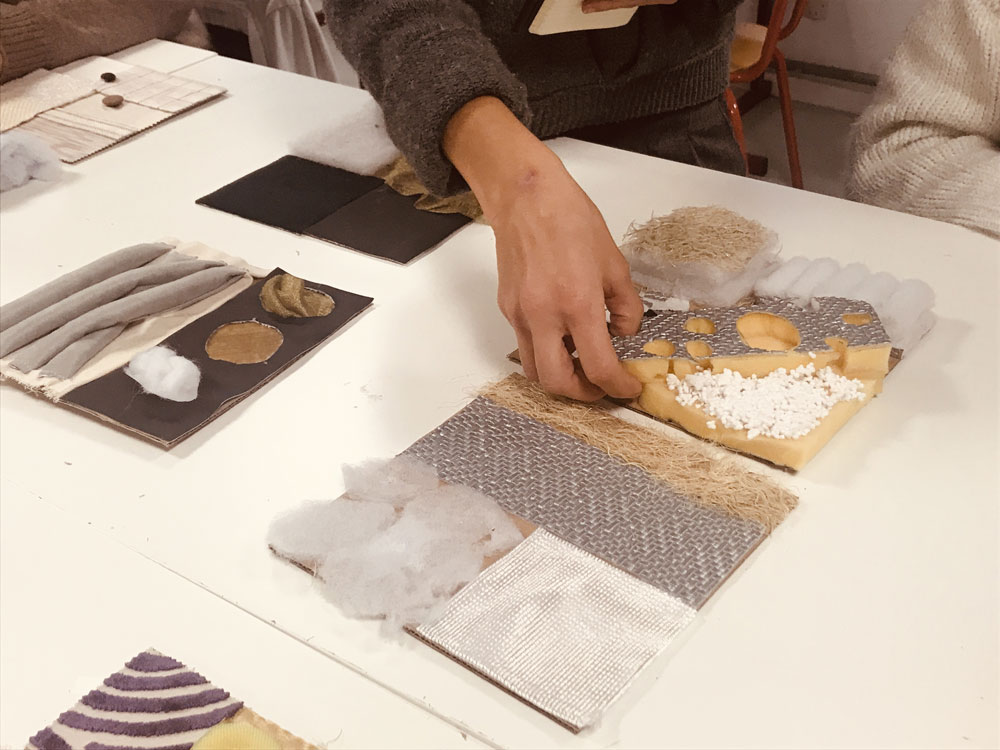
Development of technical and creative skills: experimentation with materials, design of eco-friendly solutions, graphical translation of intentions, and structuring of written and oral communication.
Collaborative and civic work: implementation of a collective project promoting inclusion, diversity, and sustainable development.
Pedagogical evaluation: mastery of production and communication skills, reasoning behind eco-responsible choices, and integration of sustainability values into the artistic process.
Project visuals
Eco-responsible sensory projec
Contexte
The eco-responsible sensory project is part of an inclusive and sustainable approach, developed in partnership with the Mériadeck Library – Diderot Center in Bordeaux, a service dedicated to people with visual impairments. This collaboration enabled students from the Upholstery Tapestry section to discover a landmark cultural venue, while engaging in discussions around environmentally friendly practices and inclusion.
Partner
Mériadeck Library – Diderot Center of Bordeaux
Project objective
Meet: Promote awareness of disability and diversity through exchanges with stakeholders from the Diderot Center, while integrating the values of eco-responsibility.
Practice: Design a scenography adapted to the library space to host an immersive sensory exhibition, using recycled, bio-based, or sustainably sourced materials, and limiting the ecological footprint of the project.
Learn: Analyze the site, constraints, and spatial conditions in order to design an accessible scenography, integrating eco-design principles (waste reduction, responsible material selection, reuse).
Include: Make a cultural exhibition accessible to people with visual impairments by integrating adapted solutions (braille, guidance systems, sensory pathways).
Take Responsibility: Adopt an eco-responsible approach at every stage of the project, from design to implementation, prioritizing sustainability and the circular economy.
Résultats / Apprentissages
Cultural accessibility: implementation of an immersive sensory pathway designed to be accessible to people with visual impairments.
Eco-design: use of recycled or bio-based materials, waste reduction, and anticipation of the reuse of elements after the exhibition.
Creative experimentation: students worked on the meaning of materials and touch, deconstructing traditional aesthetic approaches to tell a sensory-driven story.
Technical and civic skills: acquisition of know-how related to scenography, collective project organization, and communication promoting the values of inclusion and sustainable development.
Awareness-raising: understanding key issues related to inclusion and eco-responsibility, and integrating values of diversity and sustainability into an artistic and cultural approach.
Educational assessment: mastery of production and communication skills, informed selection among eco-designed proposals, and the ability to argue and structure written and oral communication incorporating the values of eco-responsibility.
Project visuals
To go further
Tool sheet: Design a reusable stand
Practical sheet: Using recycled and local materials
Case study: Transformation of an exhibition structure into sustainable furniture