How to create a virtuous cycle with companies’ transport and packaging materials.
Institution: Lycée Toulouse-Lautrec – Bordeaux, France
Presentation of the event layout
The projects are part of a global momentum aimed at addressing a series of major environmental challenges, the urgency of which is now recognized by all stakeholders.
Definition
Event planning and design includes several aspects: furniture, of course, but also the decorative ambiance and the atmosphere one aims to create in order to make the venue pleasant, welcoming, and consistent with the objectives of the event. In the specific case of Lycée Toulouse-Lautrec, the event design of its projects is a pedagogical and logistical architecture conceived to transform a set of educational objectives into a rich, and deeply engaging learning experience for students, placing them at the heart of reflection and action for a sustainable future.
Definition
Event planning and design encompasses several aspects: furniture, of course, but also the decorative ambiance and the atmosphere one aims to create in order to make the venue pleasant, welcoming, and consistent with the objectives of the event. In the specific case of Lycée Toulouse-Lautrec, the event design of its projects is a pedagogical and logistical architecture conceived to transform a set of educational objectives into a rich, inclusive, and deeply engaging learning experience for students, placing them at the heart of reflection and action for a sustainable future.
Presentation of the event layout
The projects are part of a global momentum aimed at addressing a series of major environmental challenges, the urgency of which is now recognized by all stakeholders.
Development of cross-cutting skills and openness to the professional and non-profit sectors:
Collaborative workshops strengthen teamwork and communication skills.
Collaboration
Roundtable discussions and exchanges with experts develop listening skills, oral expression, and the ability to argue.
Dialogue and Argumentation
Meetings with business leaders, artists, and associations highlight the diversity of professions and forms of commitment possible in the ecological transition.
Career Exploration
Interactions with artists and the discovery of eco-designed practices stimulate creative thinking and innovation
Creativity and Innovation
Inclusive and Accessible Learning
Collaborative workshops strengthen teamwork and communication skills.
Adaptation of the schedule
Meetings with business leaders, artists, and associations show the diversity of professions and possible commitments in the ecological transition
Differentiated teaching
Art as a Response: Recycling Corporate Packaging Waste
The Boesner company
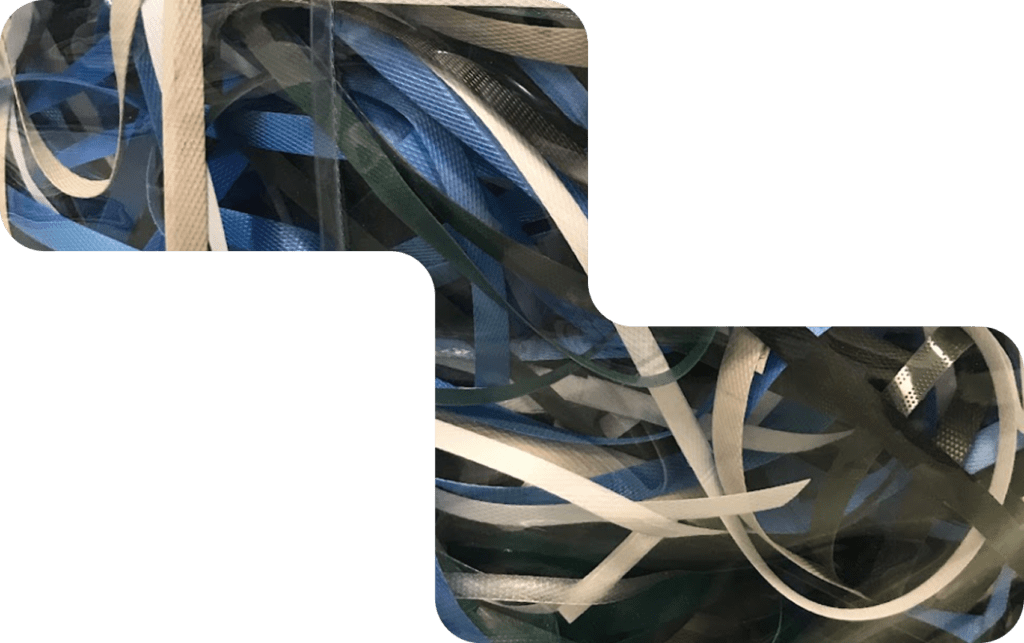
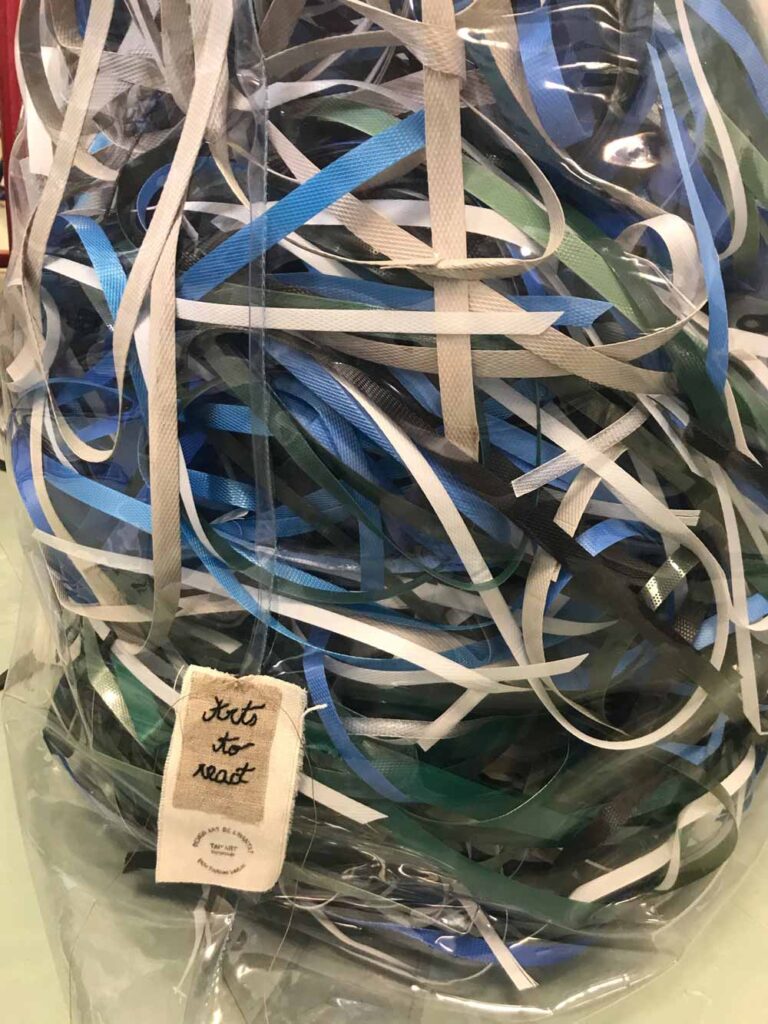
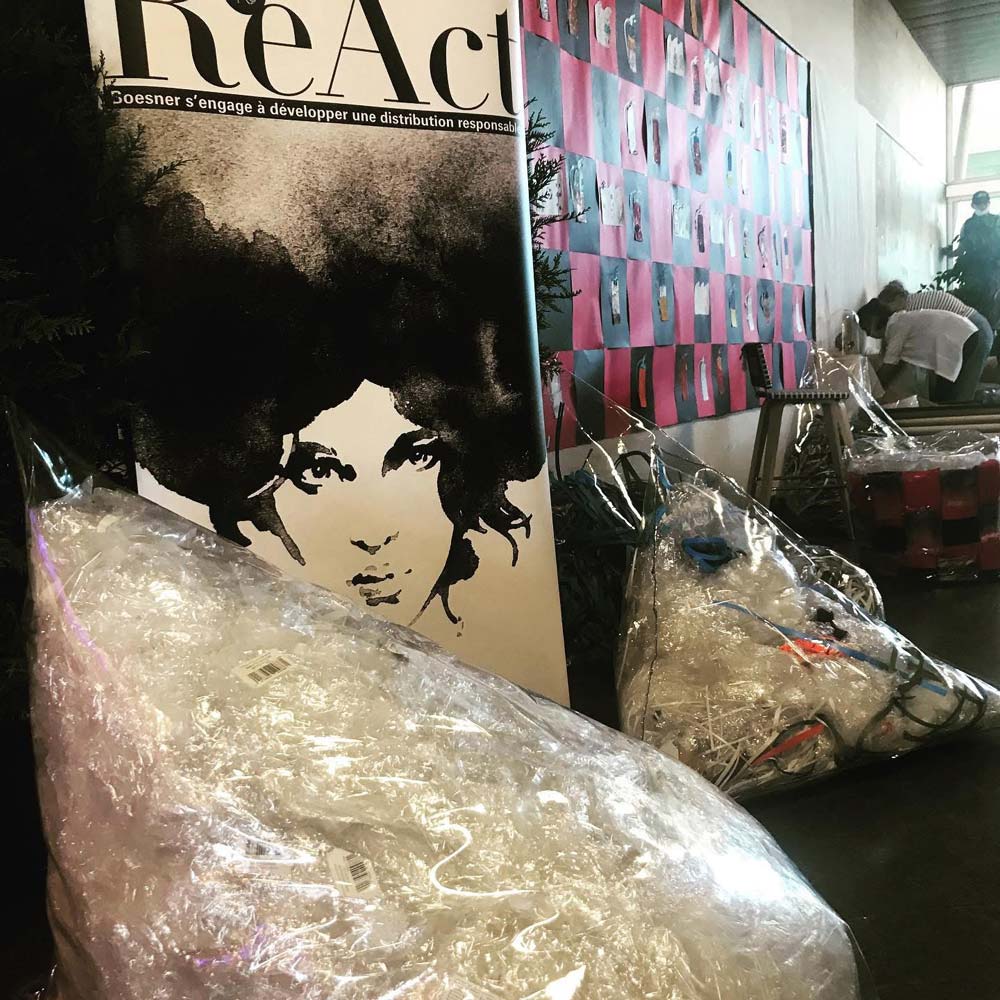
The exhibition organized by this company (Boesner) was inspired by an observation made by the managers of Boesner, a company specializing in art supplies, who noticed the large amount of plastic and cardboard waste generated by their activity. Concerned with finding sustainable solutions, they approached our department to share our expertise in creating eco-friendly furniture.
This partnership is part of a citizen and participatory approach, actively involving students in a concrete project to raise awareness about responsible waste management and the circular economy. The event was further enriched by the organization of roundtable discussions and meetings with stakeholders committed to ecological transition: business leaders, artists, associations fighting climate change, and representatives from the local education authority (Sustainable Development department).
Civic Engagement: Students actively participated in debates, exchanges with artists, and collaborative workshops, strengthening their ecological awareness.
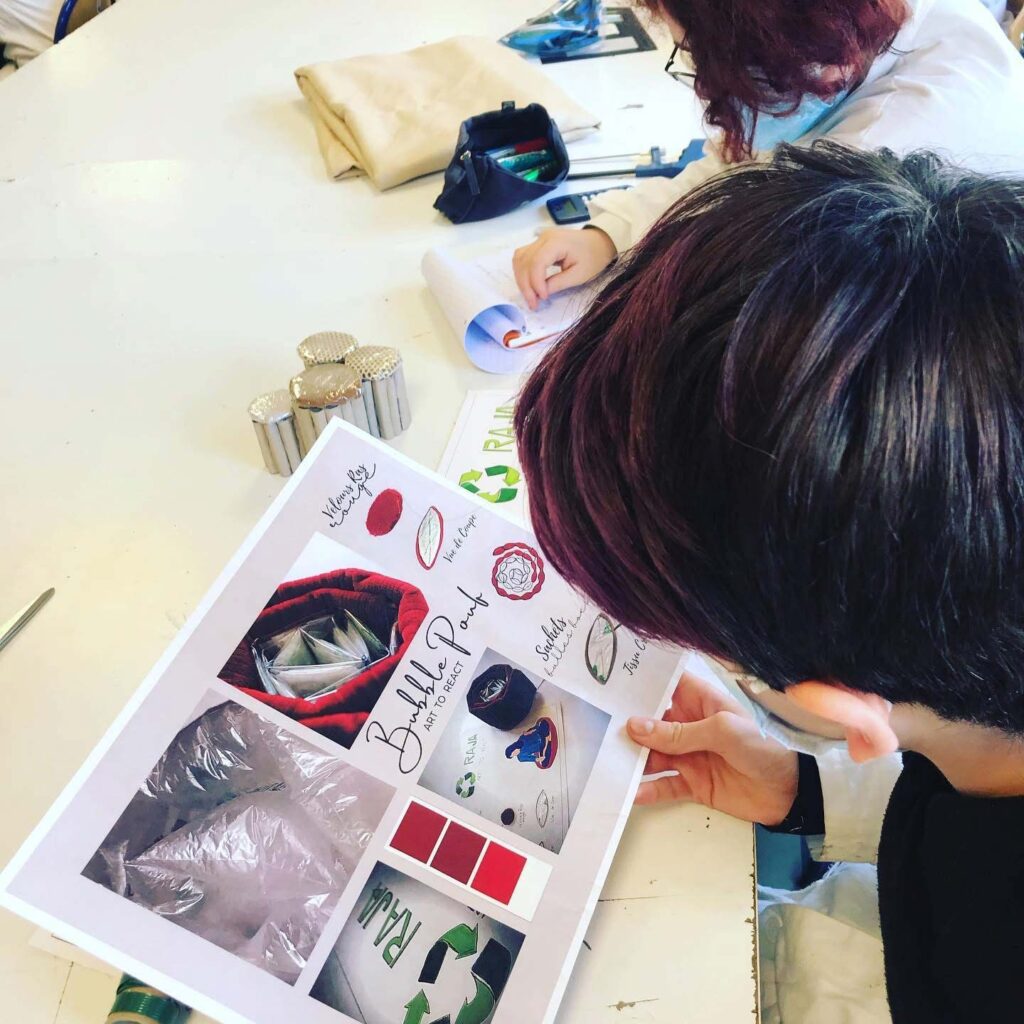
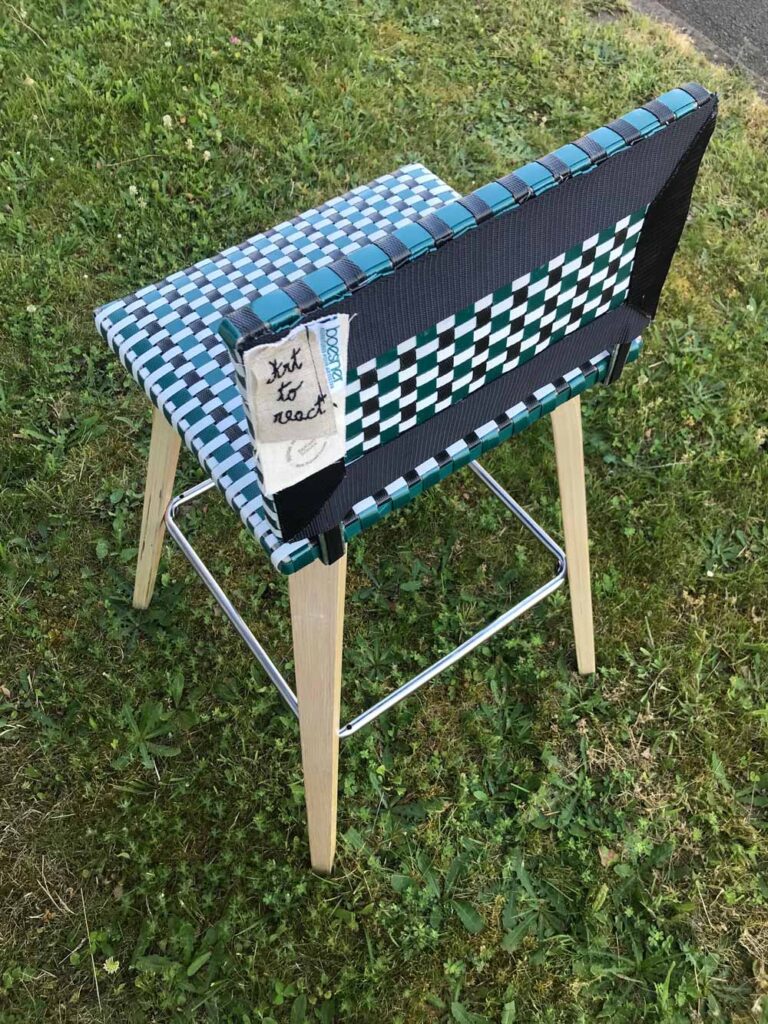
Concrete Creations: Production of stools, seats, and decorations using plastic waste from the company Boesner.
Diversity of Skills: Application of padding and assembly techniques, both by hand and machine, within an eco-design approach.
Pedagogical Assessment:
Overall Impact: The project allowed students to give meaning to their skills, develop their creativity, and propose sustainable solutions.
Project visuals
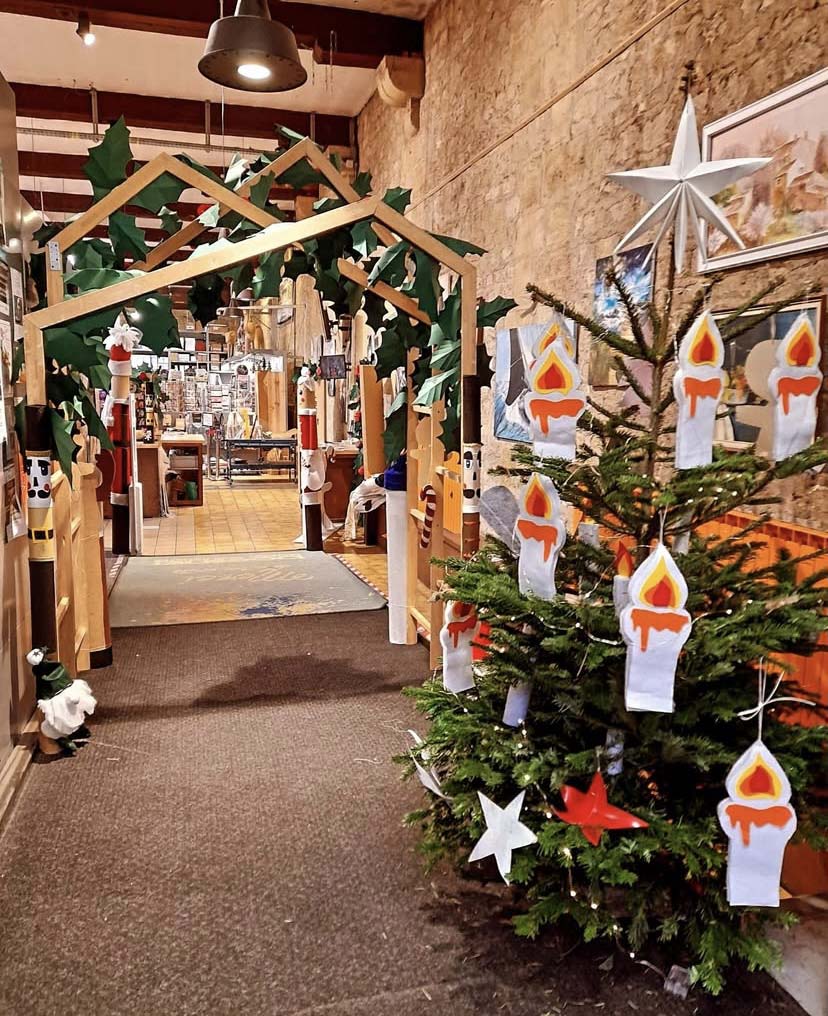
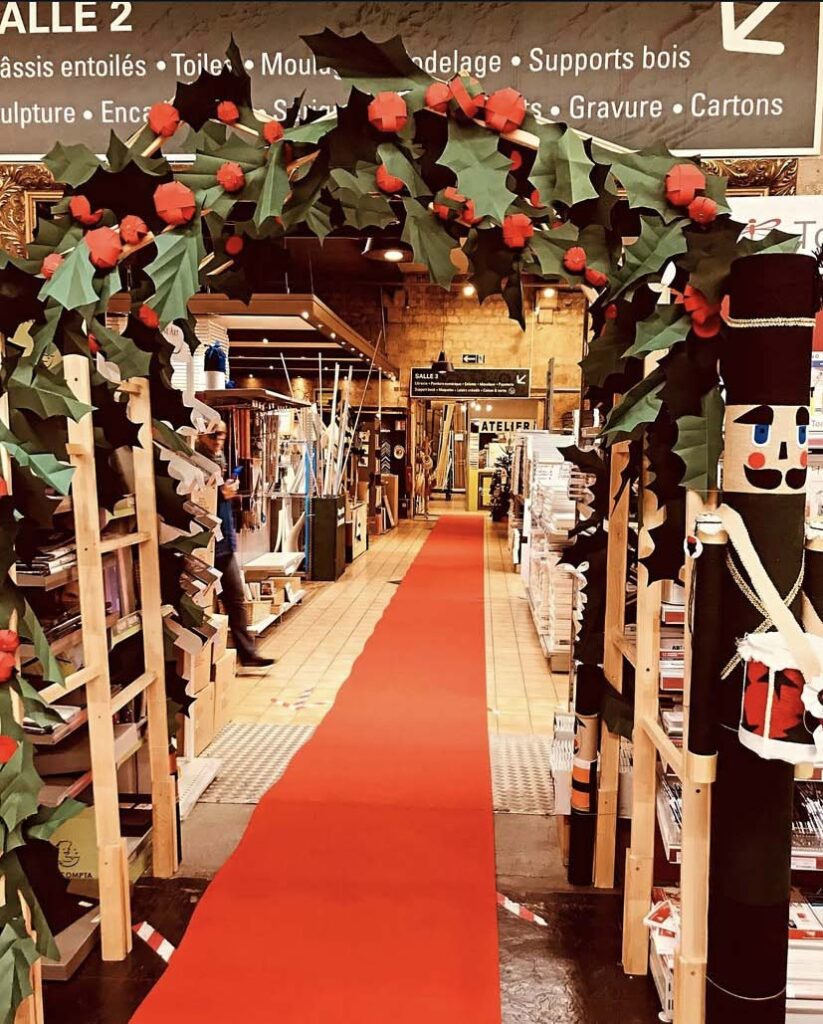
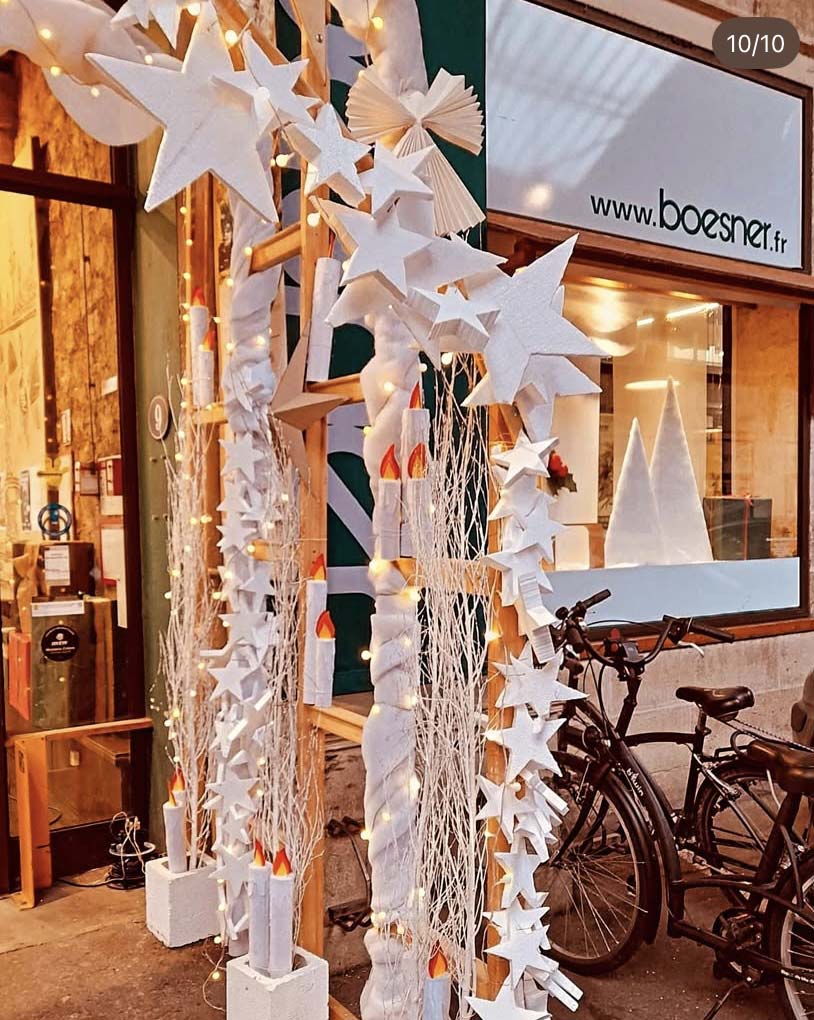
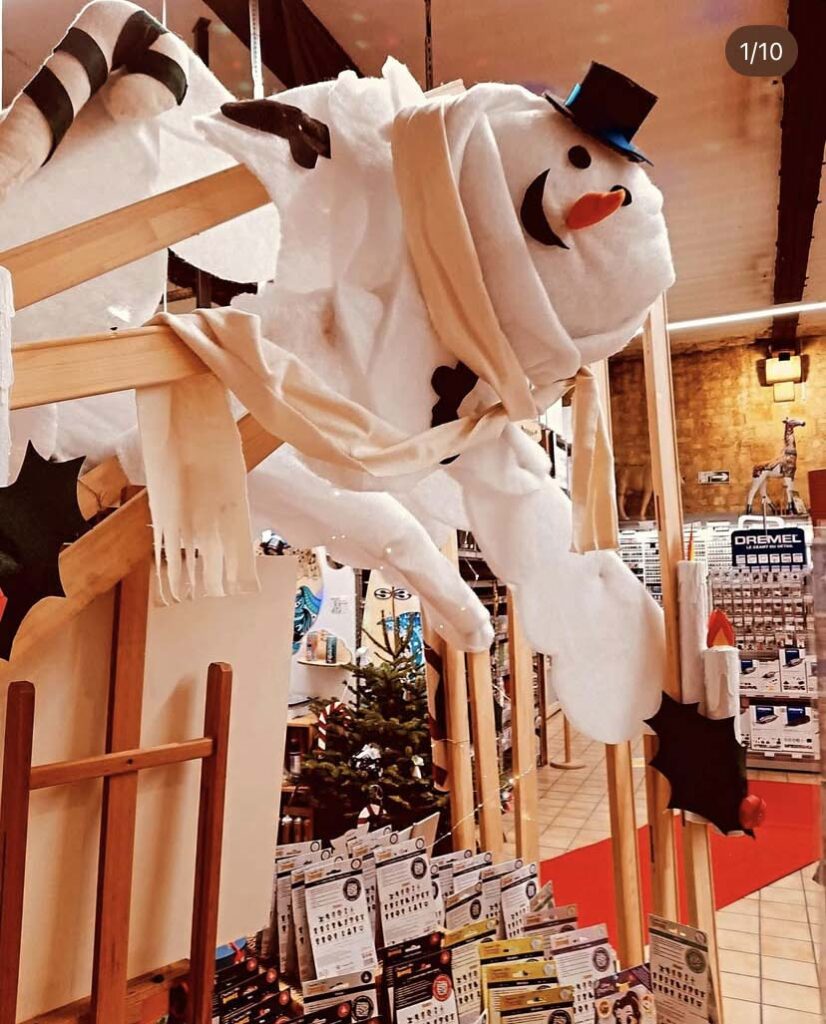
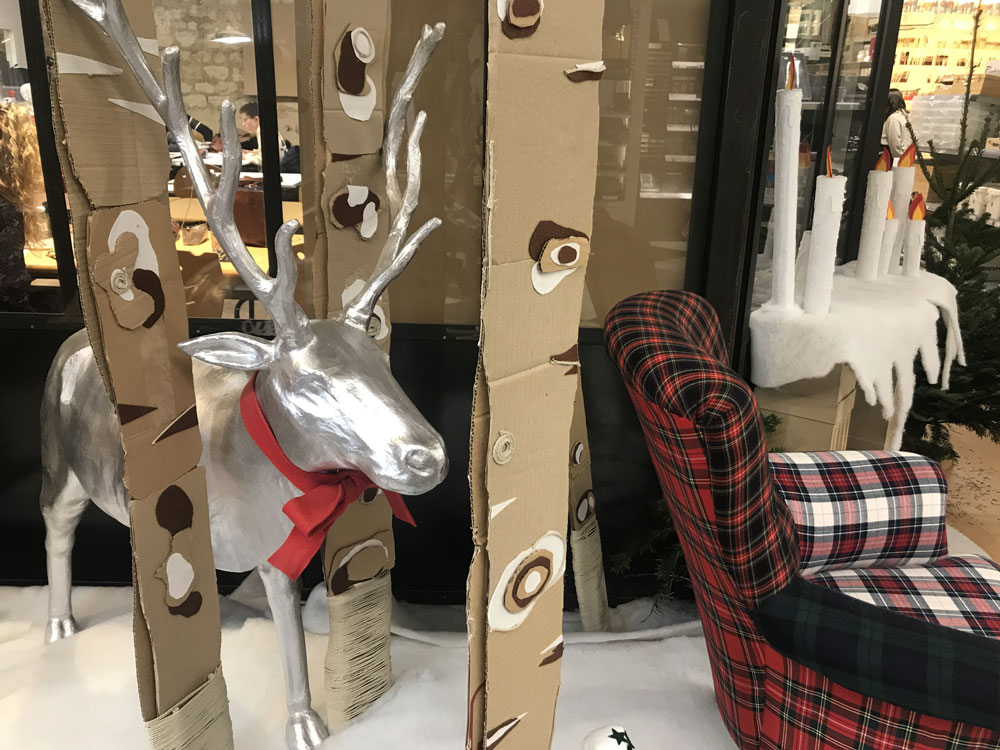
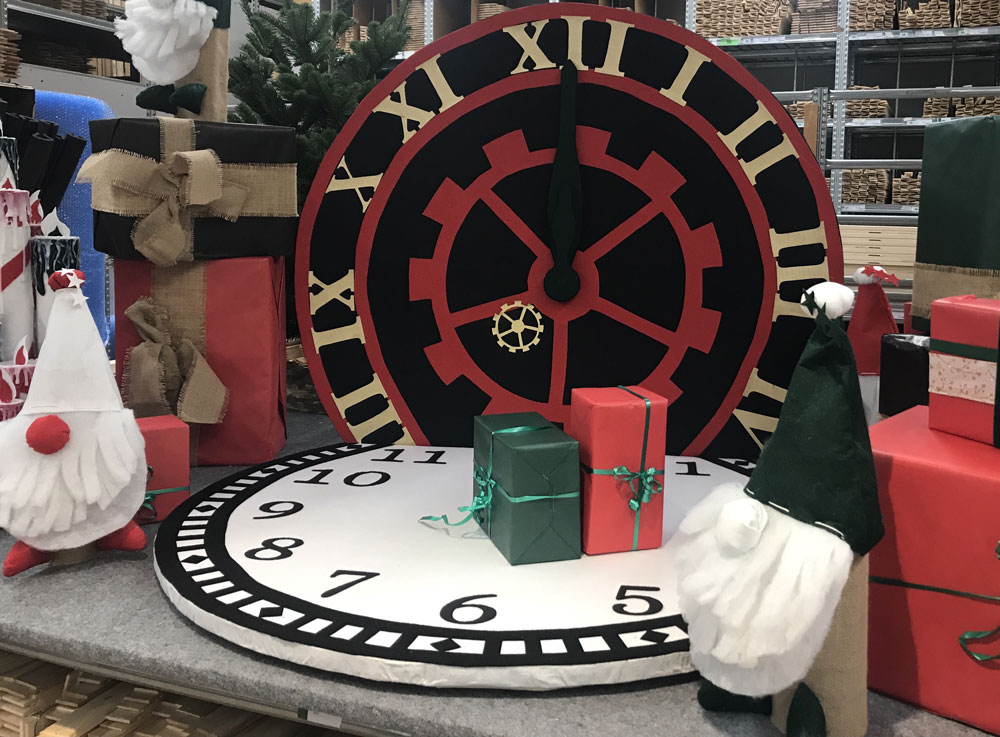
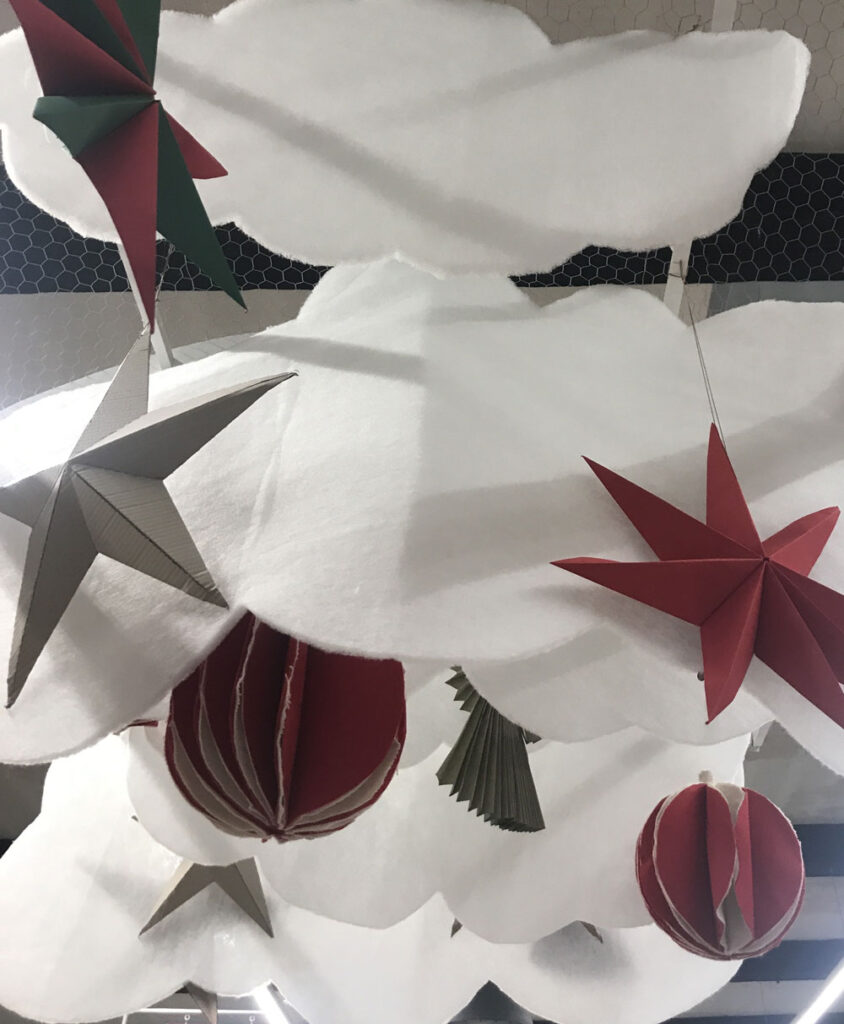
Creation of a sustainable Christmas decoration
Magasin Boesner Galerie TATRY
A central part of the project involves the responsible design of the Christmas decorations throughout the store, including the entrance, exit, shop windows, and strategic areas. Local Boesner products were highlighted within these decorations. The stalls for the Christmas market were decorated in a sustainable manner to minimize environmental impact.
Searching for eco-friendly solutions for product creation
Meeting deadlines while adhering to sustainability criteria
Organizing spaces while ensuring safety, accessibility, and waste management
Communicating about sustainable development initiatives
Animating the market with awareness-raising on eco-responsibility
Dismantling while respecting safety and ecological waste management
Introduce students to the ecological transition and eco-responsibility in their professional practice.
Set up internship periods within Darwin Woodstock to promote experiential learning.
Enable students to experiment with reclaimed materials and develop creative solutions for sustainable design and space planning.
Organize a shared schedule between the company and the high school to ensure pedagogical and technical follow-up.
Create a collaborative framework that guarantees project quality and gives meaning to the skills acquired in workshops and classes.
The production of the objects made it possible to develop technical skills related to the repetition of actions such as drawing, cutting, gluing, and assembling. The presentation of the products in the store and in the display window fostered the learning of scenography, teamwork, movement coordination, direct exposure to real-world conditions, as well as time management.
Following the success of the initial projects, the company Boesner wished to continue the collaboration by entrusting the students with the decoration of the store’s 1,000 m² for the Christmas period. This new phase was part of the continuation of the eco-responsible approach previously initiated.
The project also addresses essential educational challenges for the upbringing of younger generations:
Development of Environmental Awareness and Critical Thinking:
Awareness: Beyond providing information, it aims to awaken a genuine understanding of environmental challenges and their implications.
Systemic Understanding: Helping students comprehend the interconnectedness of issues (waste, climate, resources) and the impact of their own choices.
Analytical Skills: Developing their ability to analyze complex situations and distinguish “pseudo-solutions” from truly sustainable solutions.
Project visuals
“And in the beginning, there was green” – screen-printed shop windows
Boesner Company
Implementation of a partnership project between the two secondary schools and the company Boesner, focused on eco-responsibility and the circular economy.
Theme: “In principio era il verde” (“and in the beginning there was green”).
Exploration of the origin, nature, recycling, and reuse of materials, within a sustainable development approach.
Artistic approach: Art Nouveau, highlighting nature and responsible innovation.
Between the 2021/2022 and 2022/2023 school years, a partnership project was carried out between Toulouse-Lautrec High School (France), Chierici High School (Italy), and the company Boesner, which specializes in artistic supplies.
Under the theme “In principio era il verde” (“and in the beginning there was green”), this project was part of an eco-responsibility and circular economy approach, exploring the origin, nature, recycling, and reuse of materials. The artistic approach, inspired by Art Nouveau, made it possible to highlight nature and responsible innovation.
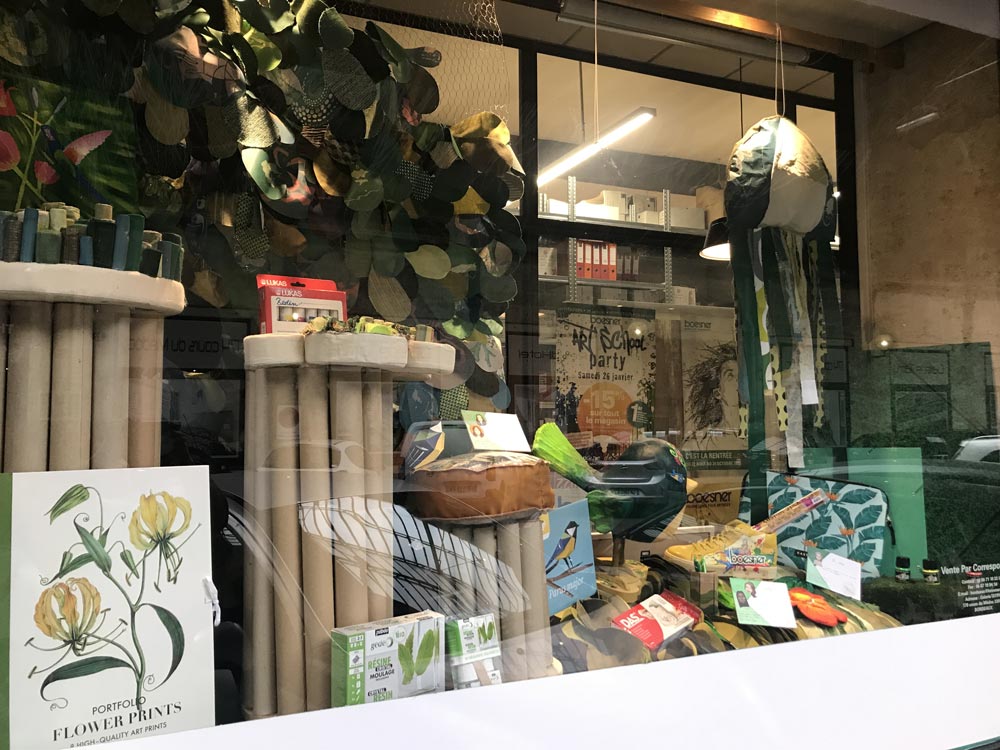
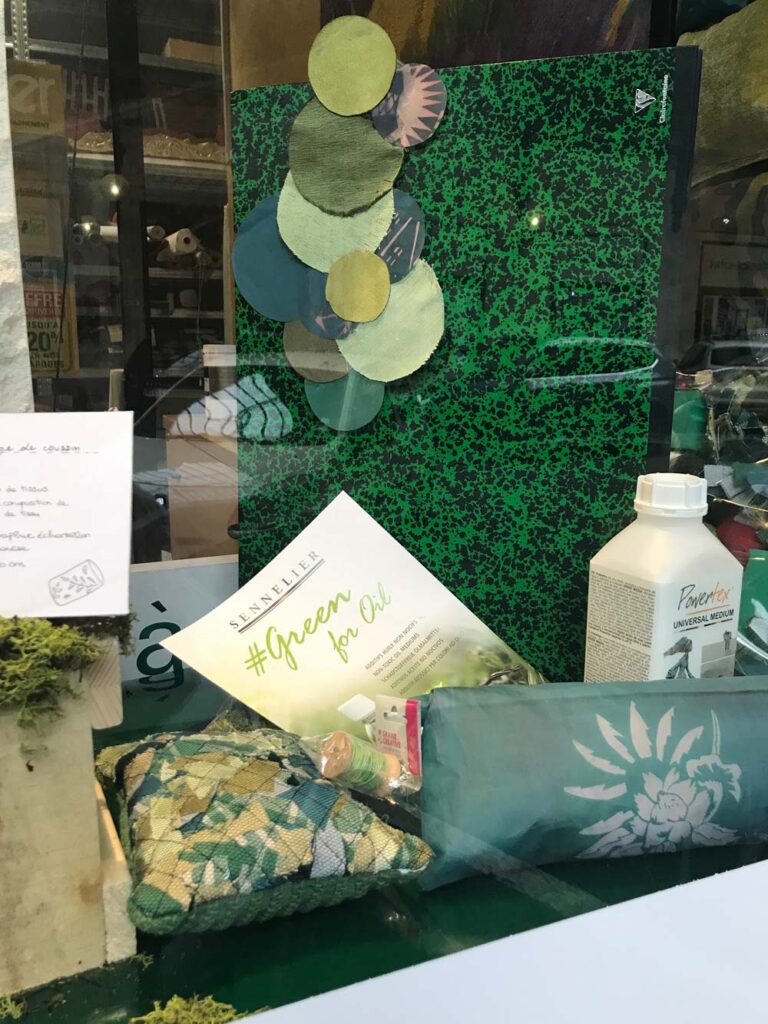
The partnership led to the creation of collaborative display windows showcasing waste materials collected by Italian and French classes, as well as by the company Boesner. The students were involved in a participatory and civic-minded process, fostering genuine intercultural and educational exchange.
The objective of the project is to raise awareness among students from the Chierici and Toulouse-Lautrec high schools about an eco-responsible approach by engaging them in an artistic and civic collaboration focused on creating display windows designed from collected waste. This project also aims to showcase students’ work, strengthen intercultural exchanges between the two institutions, and develop technical and collaborative skills, notably through a professional internship within the company Boesner.
• Raise students’ awareness of the ecological transition and the circular economy.
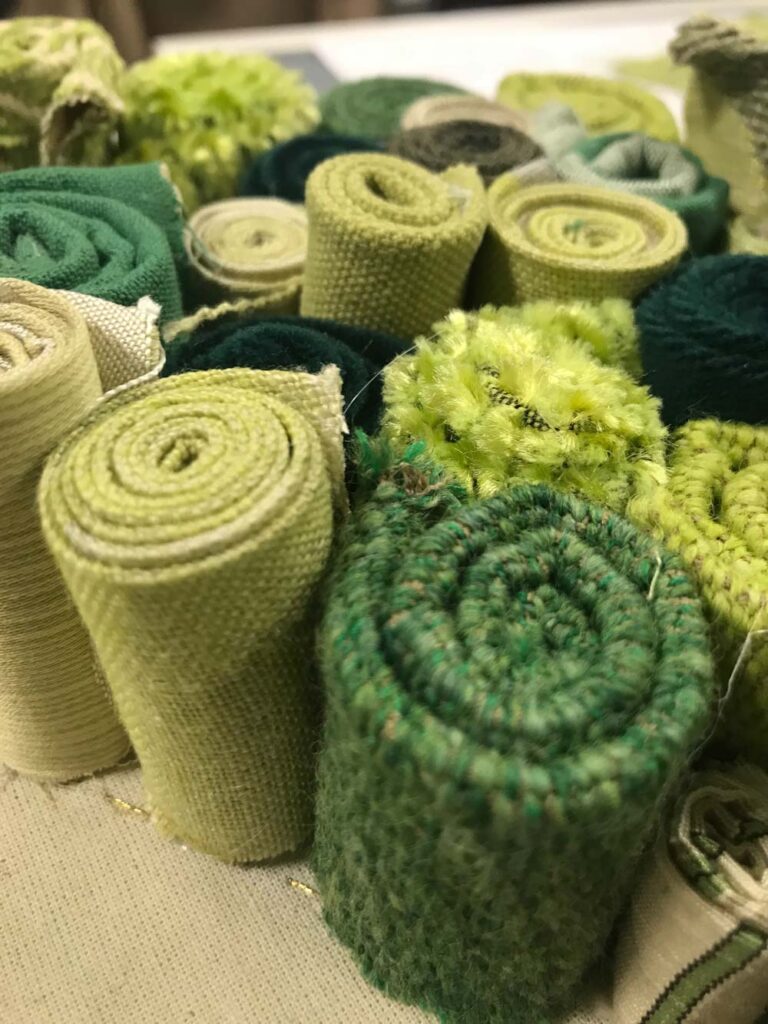
• Encourage reuse and reduction of textile waste through the creation of new objects.
• Integrate an artistic dimension inspired by Art Nouveau to highlight nature and responsible innovation.
• Design display windows using recycled materials and plastic waste sourced from Boesner.
• Develop inter-institutional cooperation through exchanges of work and sharing of expertise.
• Offer students concrete professional experiences, notably through workplace training placements (PFMP) at Boesner (January 16 to February 3, 2023).
Transform textile and plastic waste into artistic and functional creations through reuse, upcycling, and cooperation between institutions, in order to raise students’ awareness of sustainable and professional practices.
Developing reuse practices and waste reduction
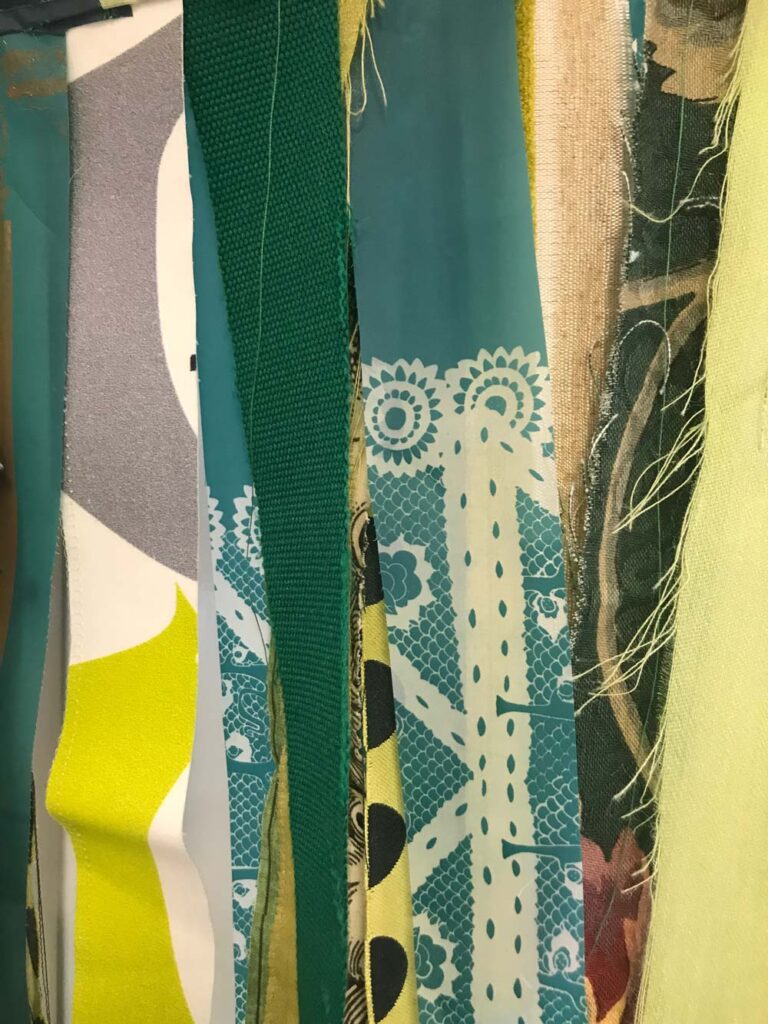
Reuse of screen-printed fabrics and textile screen materials to create new textile pieces (dresses, accessories, decorative objects).
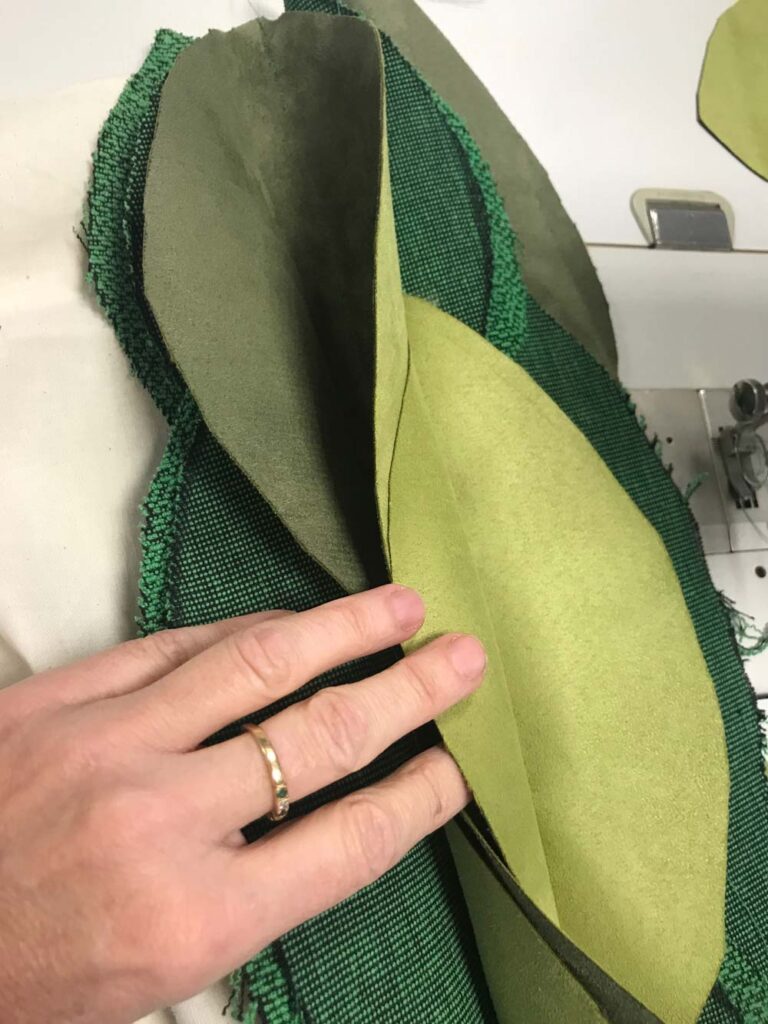
Enhancement of plastic waste from the company Boesner, incorporated into the design of furniture objects (seating, lighting fixtures, decorative elements).
Objective: to establish a culture of upcycling and raise students’ awareness of responsible resource management.
Strengthening European cooperation and intercultural exchange
Collaboration between the Italian high school Chierici and the Toulouse-Lautrec high school.
Production of artistic boards (Art Nouveau) exchanged between the institutions.
Joint selection of creations during a student–teacher videoconference.
Objective: to encourage cultural, artistic, and methodological exchanges among European students.
Professionalizing students’ practices
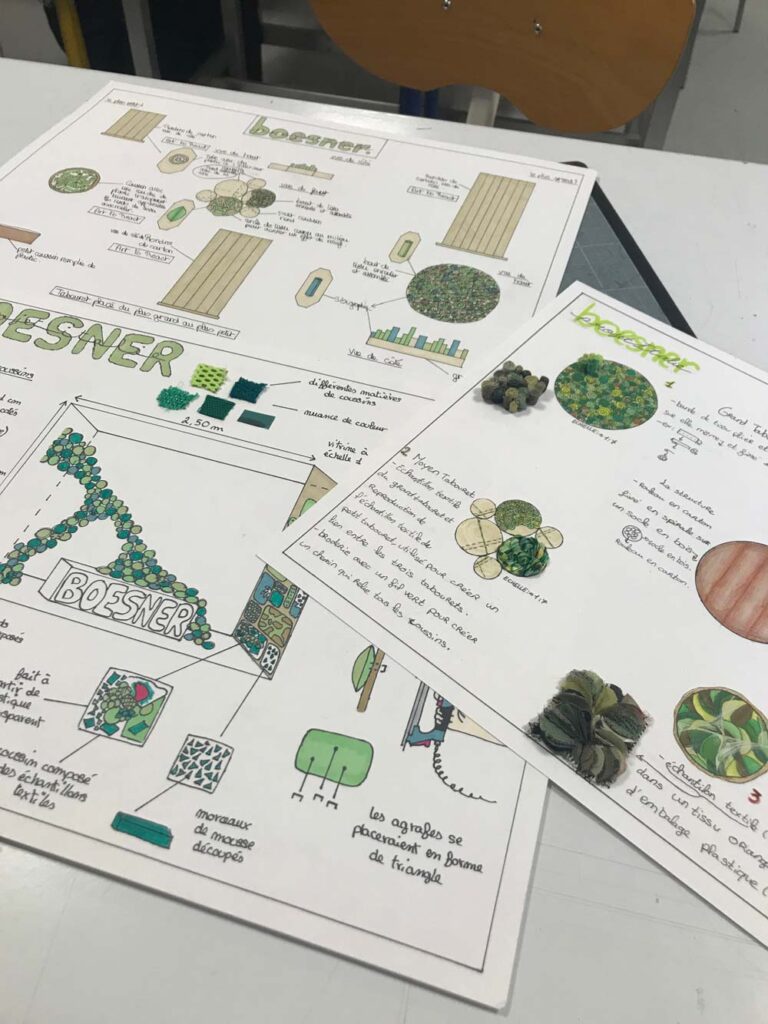
Documented monitoring of the creative process through the submission of photographs to ensure traceability and transparency.
Hosting students on PFMP internships within the company Boesner (16/01 to 03/02/2023).
Design and installation of two display windows showcasing eco-design and sustainable creativity.
Objective: to enable students to acquire concrete and valuable professional skills.
Developing reuse practices and waste reduction
Reuse of screen-printed fabrics and textile screen materials to create new textile pieces (dresses, accessories, decorative objects).
Enhancement of plastic waste from the company Boesner, incorporated into the design of furniture objects (seating, lighting fixtures, decorative elements).
Objective: to establish a culture of upcycling and raise students’ awareness of responsible resource management.
Strengthening European cooperation and intercultural exchange
Collaboration between the Italian high school Chierici and the Toulouse-Lautrec high school.
Production of artistic boards (Art Nouveau) exchanged between the institutions.
Joint selection of creations during a student–teacher videoconference.
Objective: to encourage cultural, artistic, and methodological exchanges among European students.
Professionalizing students’ practices
Documented monitoring of the creative process through the submission of photographs to ensure traceability and transparency.
Hosting students on PFMP internships within the company Boesner (16/01 to 03/02/2023).
Design and installation of two display windows showcasing eco-design and sustainable creativity.
Objective: to enable students to acquire concrete and valuable professional skills.
Project visuals
Tool sheet:
Design a reusable stand
Practical sheet:
Using recycled and local materials
Case study:
Transformation of an exhibition structure into sustainable furniture