Establishment: Lycée Toulouse Lautrec – Bordeaux, France
Presentation of sustainable scenography
Environmental and educational issues
Give a second life to materials from old exhibitions or campaigns.
Raise students’ awareness of the life cycle analysis of objects and structures.
Foster a circular approach to creation and design.
Encourage collaborative work, . the search for technical solutions and creative adaptability.
Definition
Sustainable scenography consists of designing exhibition, presentation or event spaces by integrating eco-design principles: sobriety, reuse and valorization of local resources. The objective is twofold: reducing the environmental impact of scenography while stimulating student creativity through concrete constraints of recycling, diversion and reuse.
Environmental and educational issues
Give a second life to materials from old exhibitions or campaigns.
Raise students’ awareness of the life cycle analysis of objects and structures.
Foster a circular approach to creation and design.
Encourage collaborative work, . the search for technical solutions and creative adaptability.
Definition
Sustainable scenography consists of designing exhibition, presentation or event spaces by integrating eco-design principles: sobriety, reuse, modularity and valorization of local resources. The objective is twofold: reducing the environmental impact of scenography while stimulating student creativity through concrete constraints of recycling, diversion and reuse.
Skills worked
Needs analysis
Search for technical solutions
Plans and models
Reuse of materials
Assembly and finishes
Visual communication of the project
Sustainable scenography means learning to do things differently, with what you have — without giving up aesthetic quality or functionality.
Our Projects
Reuse of physical communication elements in furniture
Partnership
Nouvelle-Aquitaine region
Context
Recycling of the Skills Olympics – Alcôves-CDI Project – Ériona
Project objective
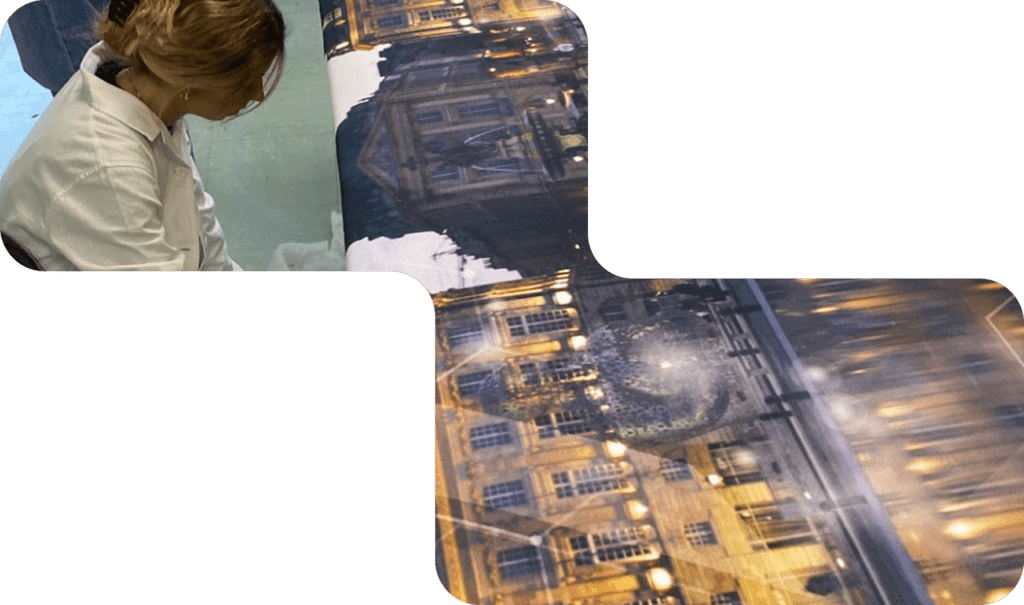
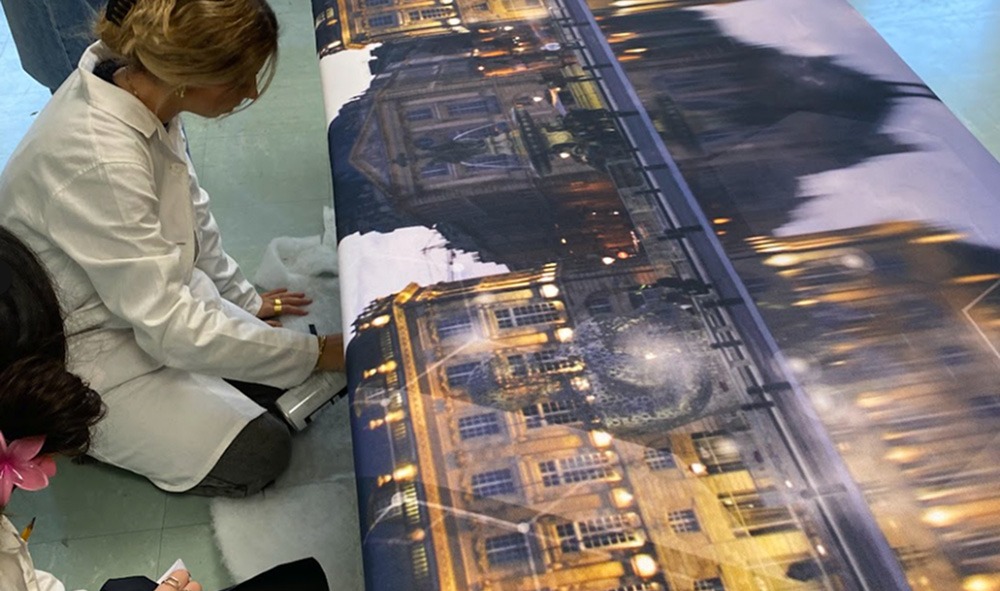
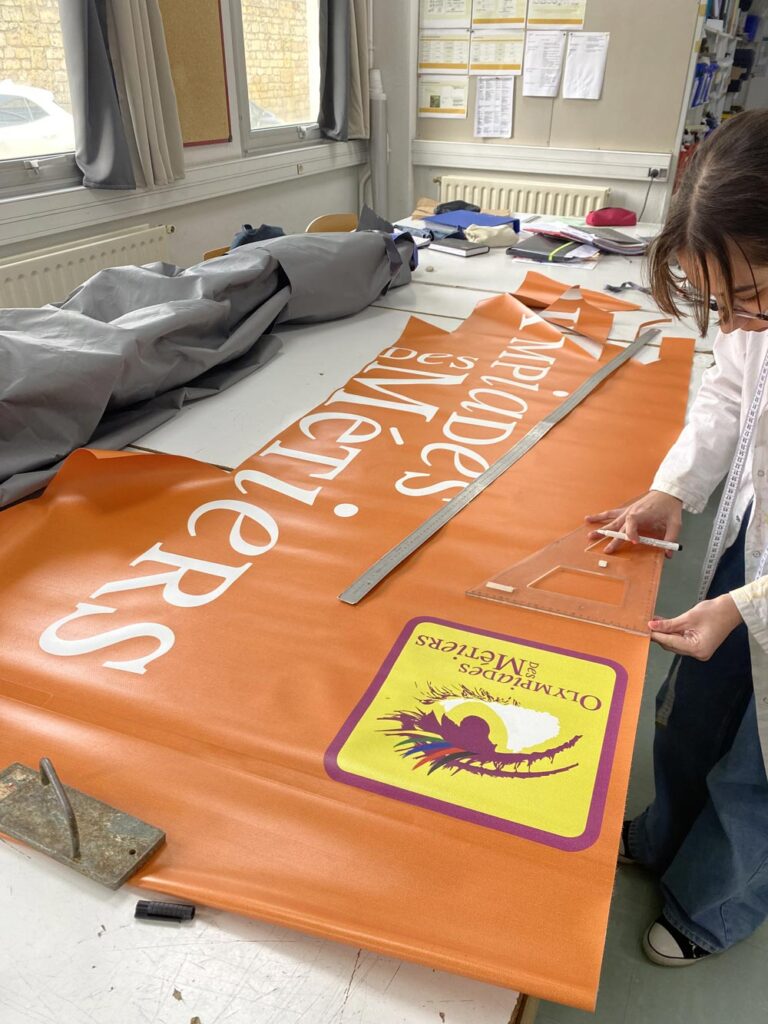
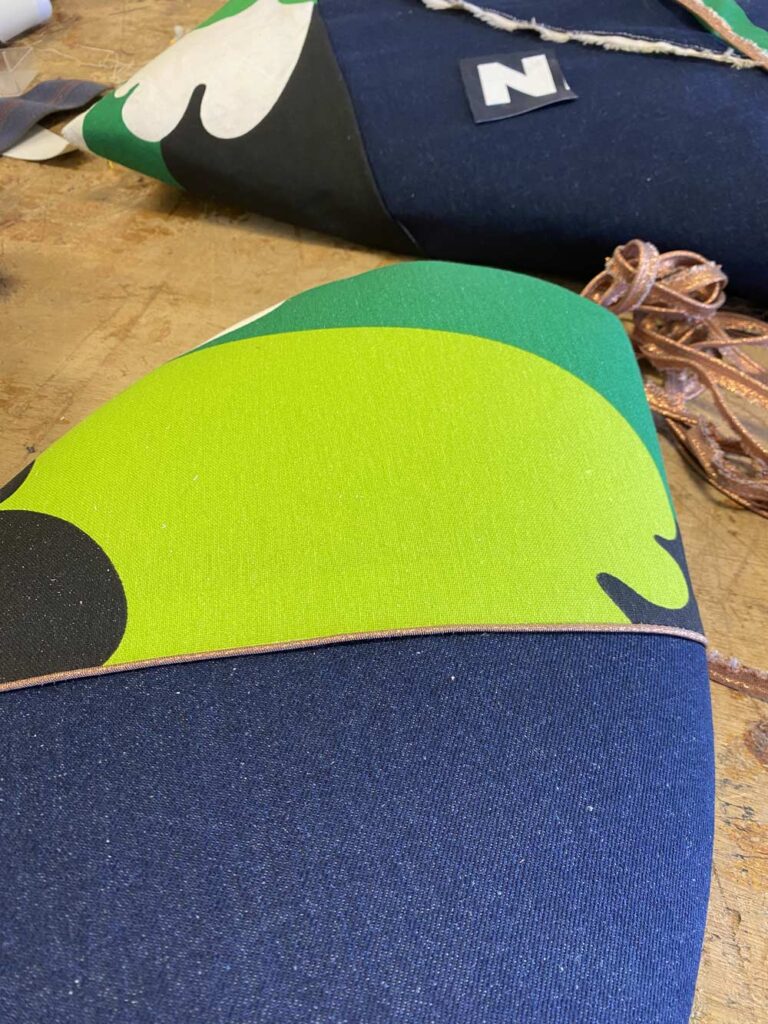
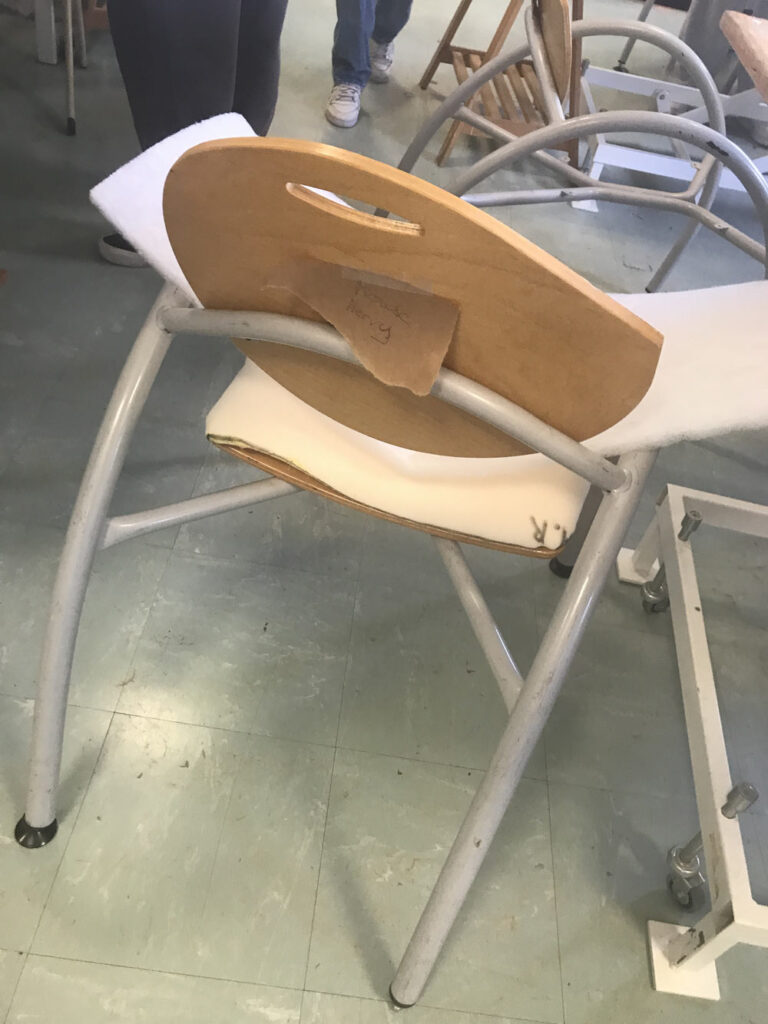
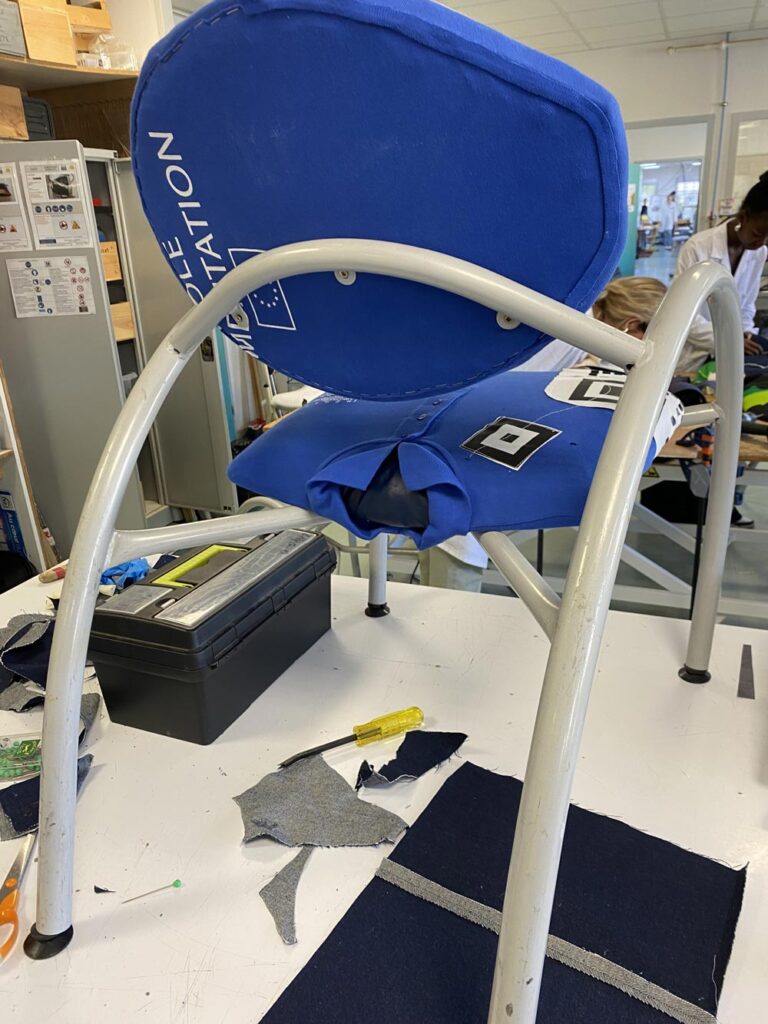
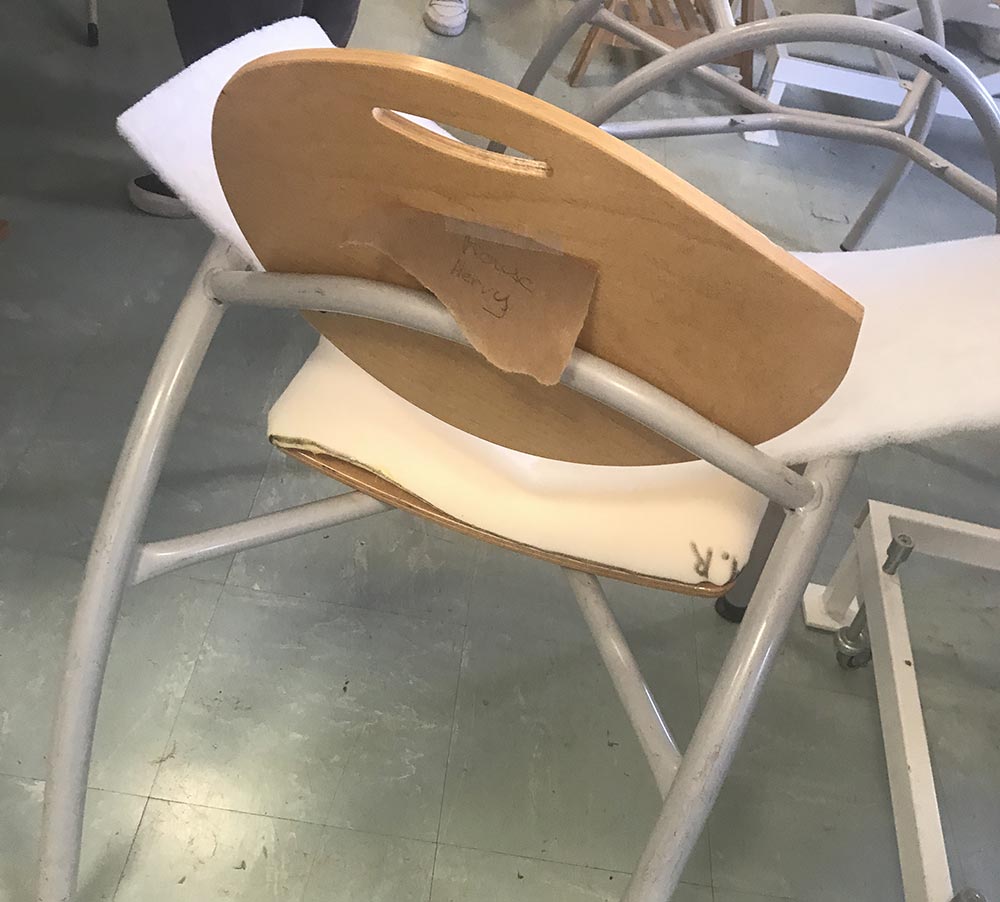
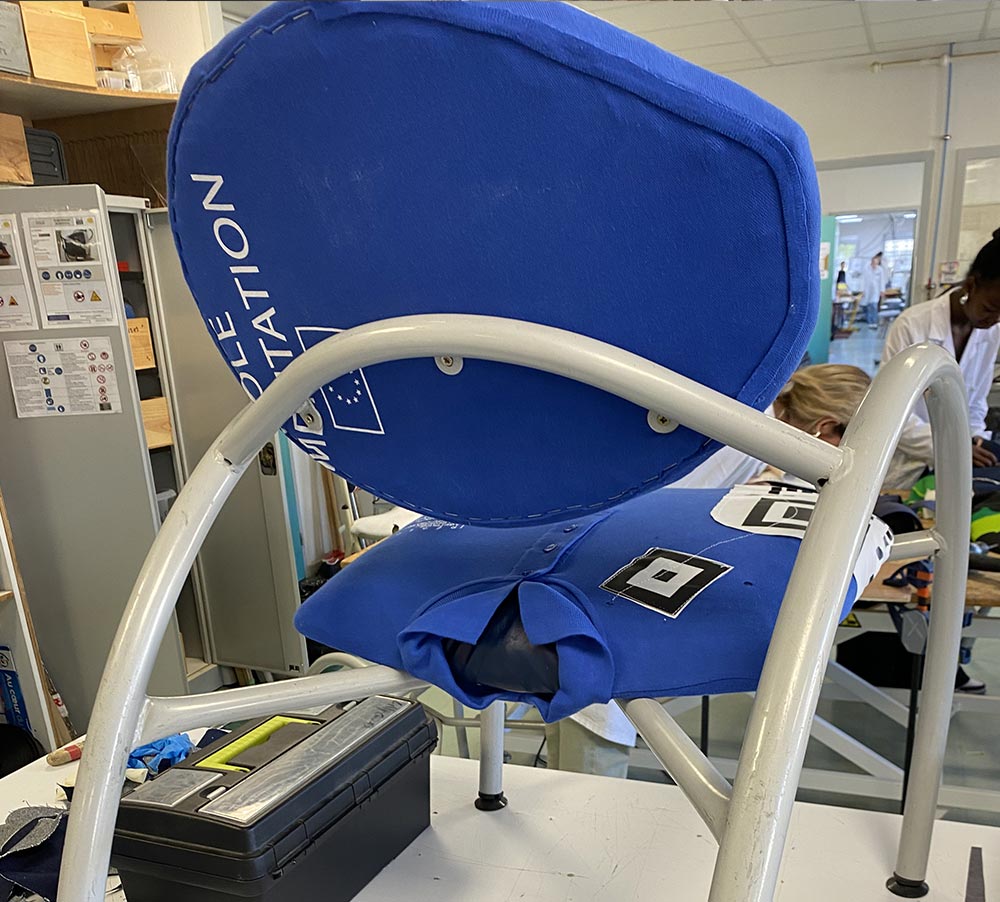
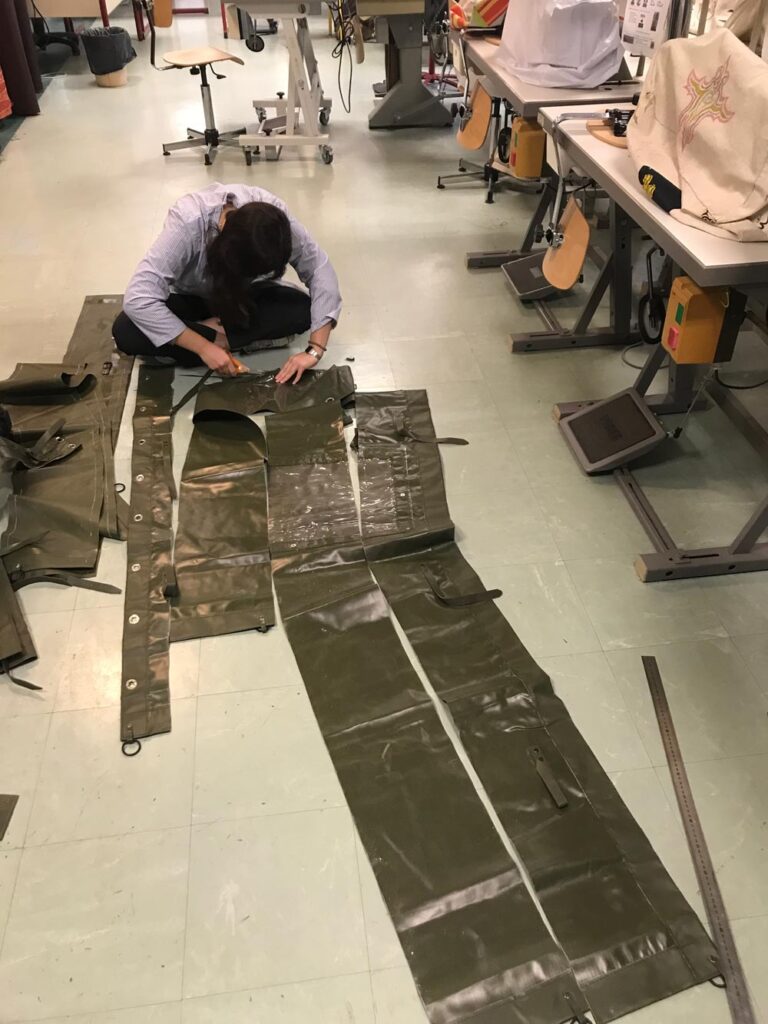
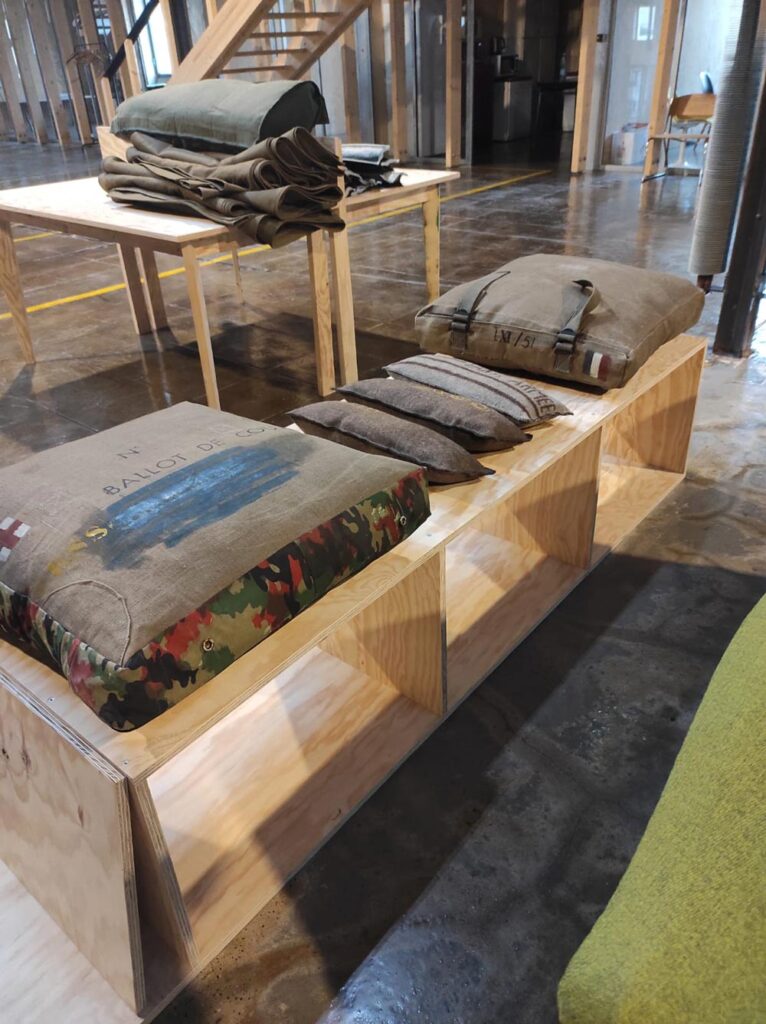
To avoid waste and extend the lifespan of event materials, the students recovered various elements: wooden structures (cubes, benches) and obsolete canvases/tarpaulins from regional trade shows.
The challenge
Transform these materials into functional and aesthetic furniture, suitable for reception or relaxation spaces during future regional events.
Specifications / Educational approach
Analysis of available materials and formulation of a reuse diagnosis. Research boards and creative proposals Technical plans and prototypes Implementation (cutting, assembly, filling, finishing)
Skills mobilized
Space design Technical design Eco-design Teamwork Finishes Oral presentation
Results
The new seats will be installed during orientation fairs and among creators in the Nouvelle-Aquitaine Region.
Project visuals
Key learnings
Understanding the life cycle of materials Reuse as a lever for creativity Complete project approach, from analysis to completion
Good practices identified
Document each step to promote pedagogy. Promote disassembly & modularity Involve students in the final script
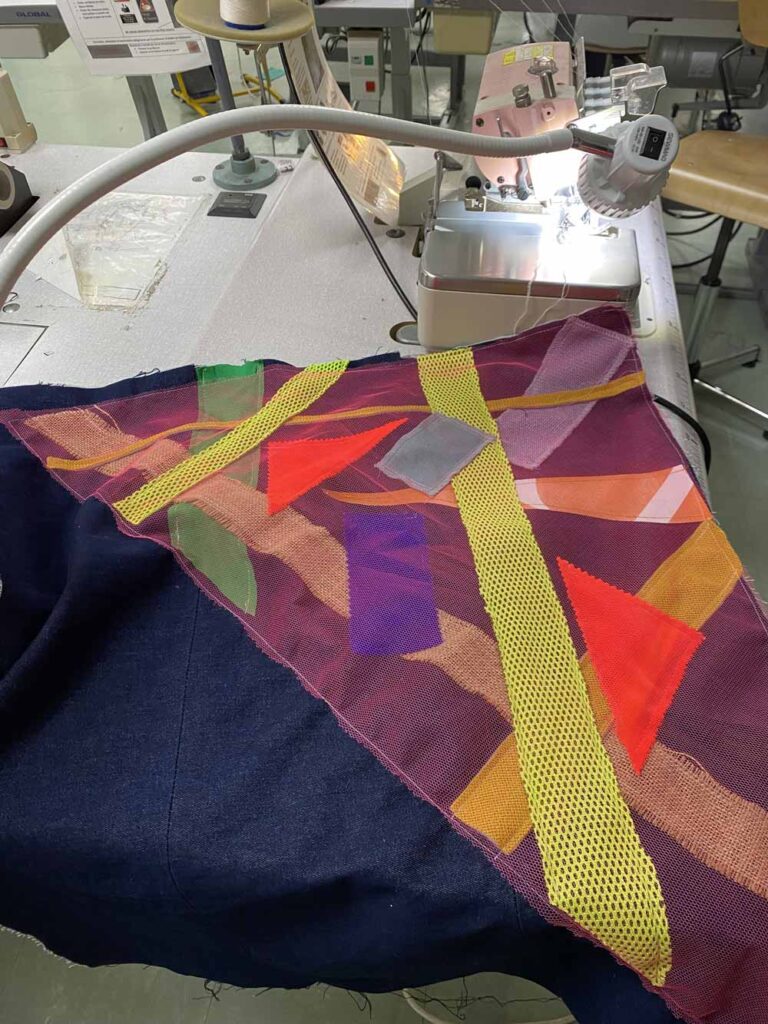
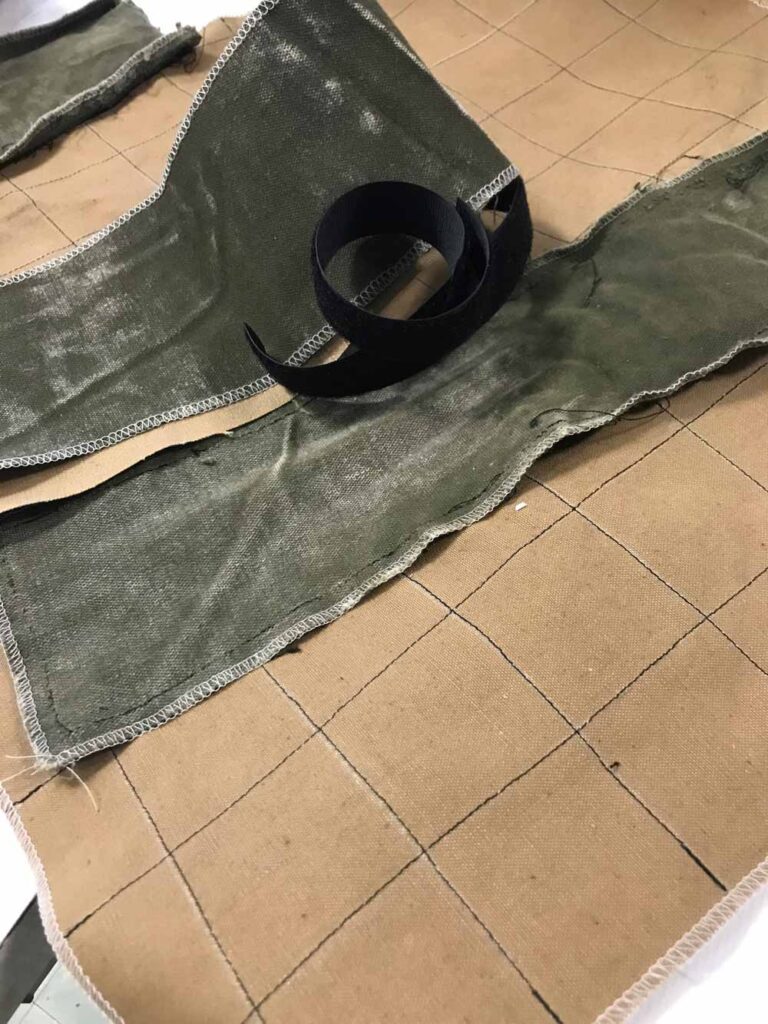
Recycling of textile materials
Partnership
Darwin
Context
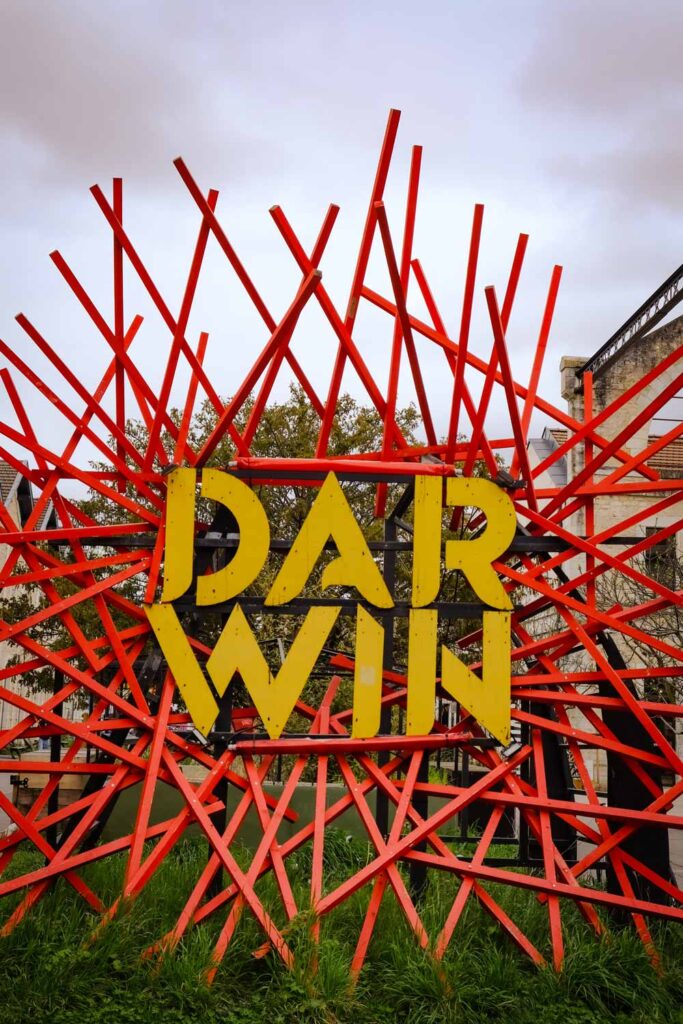
Darwin is a business ecosystem based in Bordeaux, designed as an alternative space dedicated to sustainable development, innovation, social entrepreneurship, and the ecological transition. Its approach is founded on respect for the environment and the adoption of eco-responsible practices.
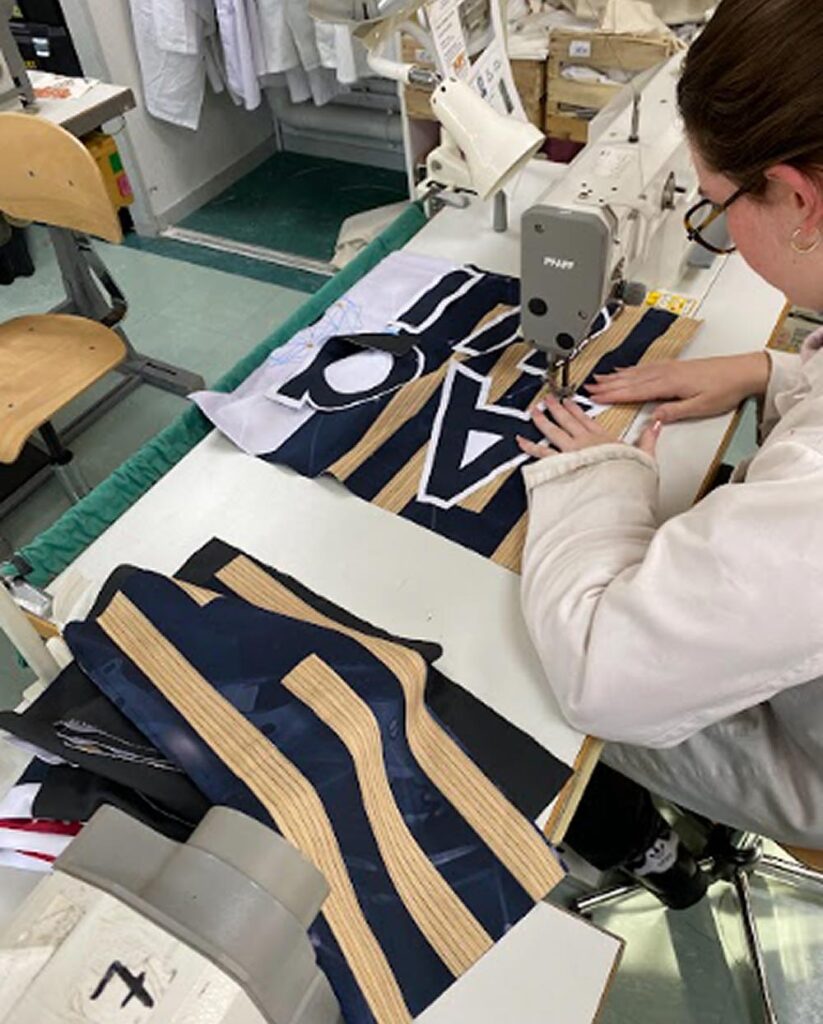
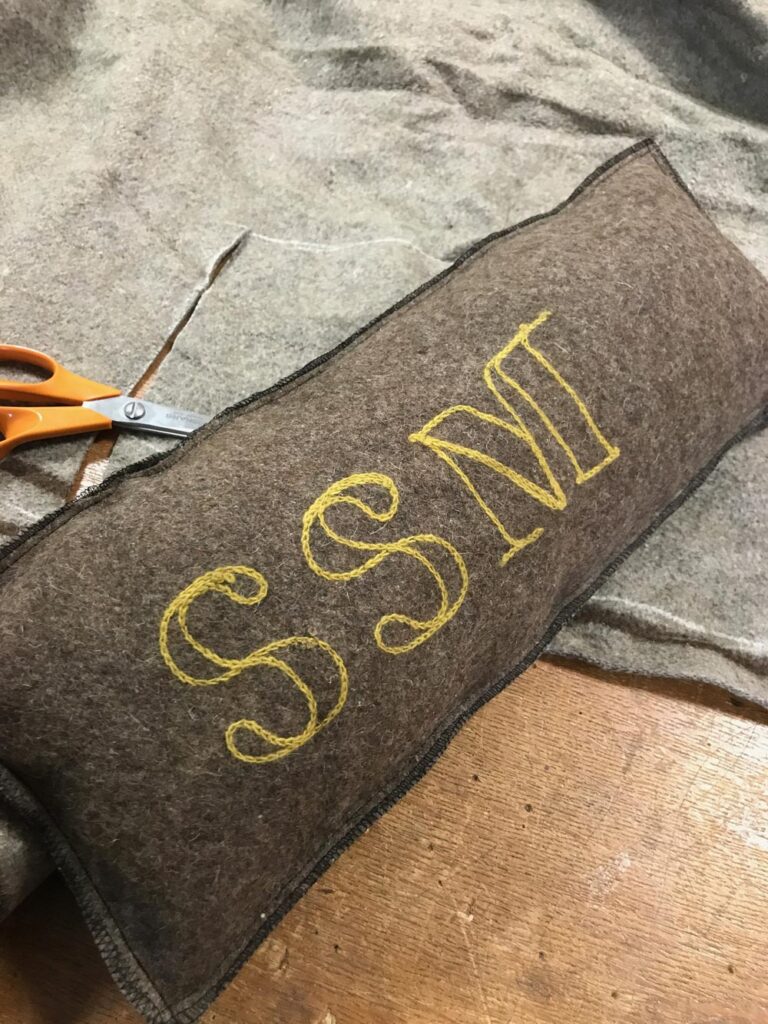
Within this space, Darwin Woodstock produces furniture and sets by transforming existing materials (wood, metal, etc.) in order to minimize its ecological impact as much as possible. Its motto—recover, enhance, create, and repurpose—illustrates a philosophy of reuse and sustainable creativity.
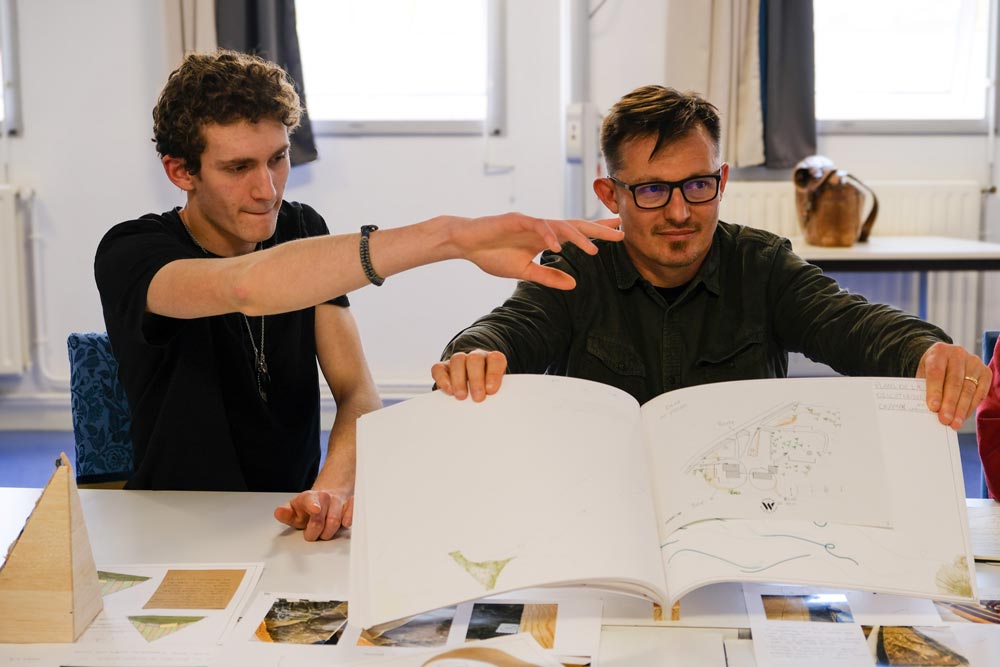
The partnership between Darwin Woodstock and the vocational high school was born out of a workshop aimed at raising awareness among students training to become upholstery decorators about the ecological transition. Architect Laurent Tardieu supported this initiative through workshops, visits, practice analyses, and discussions, fostering a dialogue between Darwin’s contemporary concerns and those of vocational education
Educational approach
Introduce students to the ecological transition and eco-responsibility in their professional practice. Set up internship periods within Darwin Woodstock to promote experiential learning. Enable students to experiment with reclaimed materials and develop creative solutions for sustainable design and space planning. Organize a shared schedule between the company and the high school to ensure pedagogical and technical follow-up. Create a collaborative framework that guarantees project quality and gives meaning to the skills acquired in workshops and classes.
Results
Introduce students to the ecological transition and eco-responsibility in their professional practice. Set up internship periods within Darwin Woodstock to promote experiential learning. Enable students to experiment with reclaimed materials and develop creative solutions for sustainable design and space planning. Organize a shared schedule between the company and the high school to ensure pedagogical and technical follow-up. Create a collaborative framework that guarantees project quality and gives meaning to the skills acquired in workshops and classes.
Project visuals
To go further
Tool sheet: Design a reusable stand
Practical sheet: Using recycled and local materials
Case study: Transformation of an exhibition structure into sustainable furniture